New mapping tool shows gaps in broadband coverage
 Altoona continues to make history as U.S. birthplace of Crokicurl


April 13, 2026
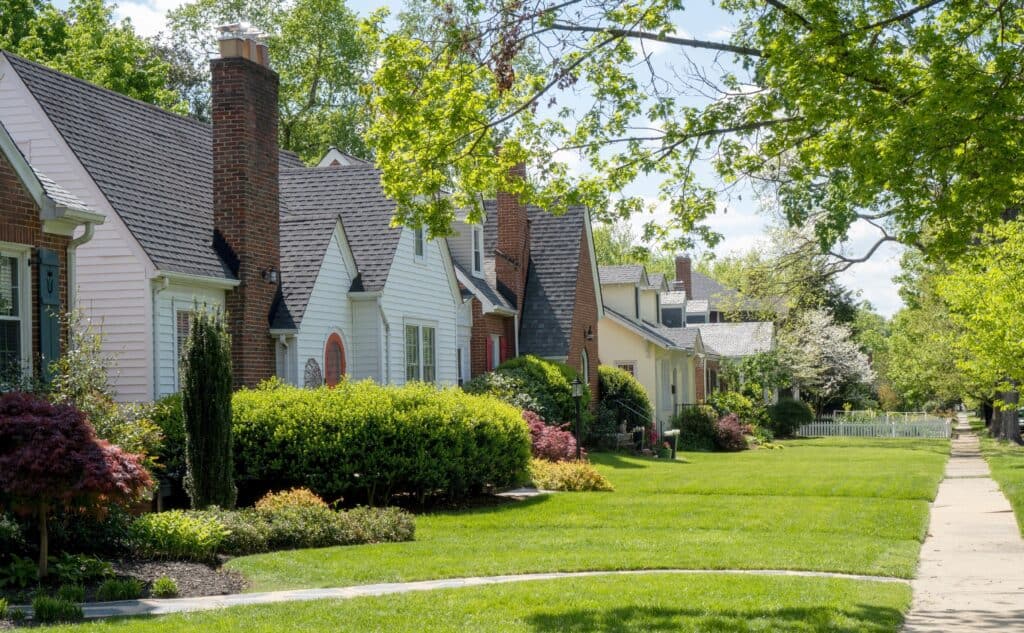
STEVENS POINT – The housing shortage in Central Wisconsin and ways to combat it will be the topic of the April 15 “2026 Central Wisconsin Housing Summit: From Foundation UP: Repair, Revive, Reimagine.”
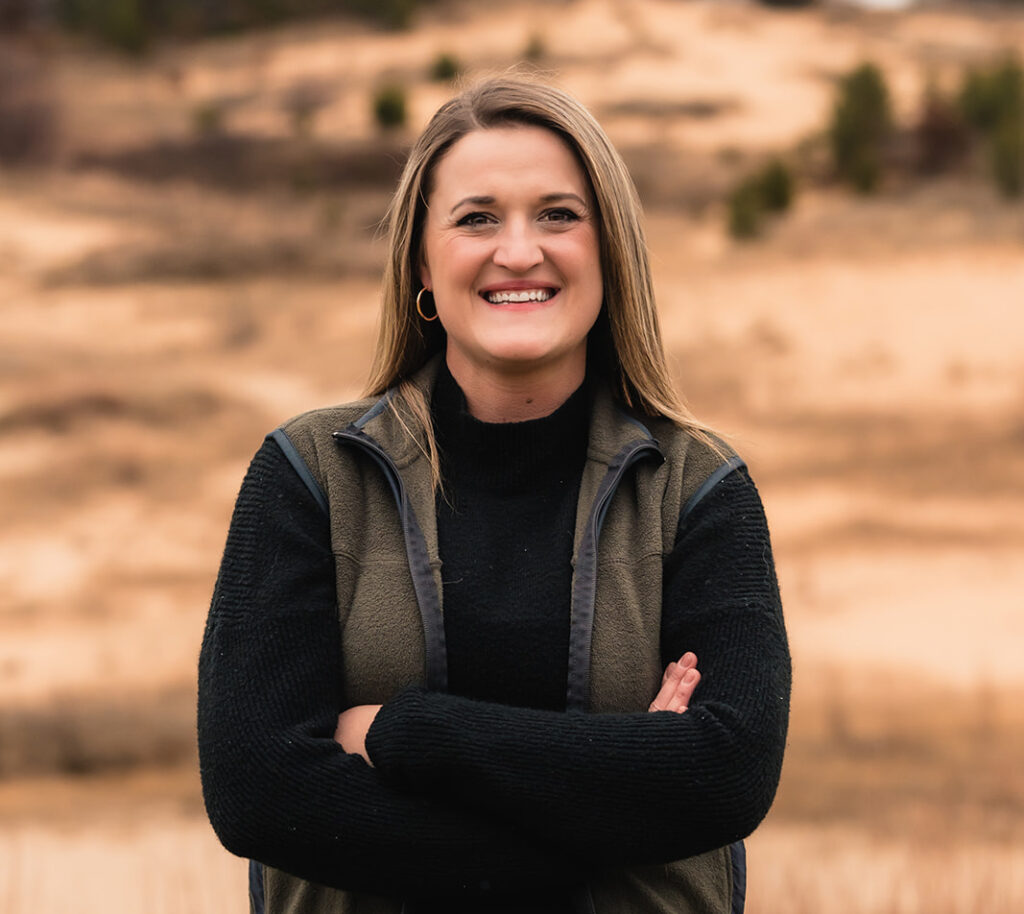
Centergy President and CEO Angel Laidlaw said the upcoming housing summit – the first of its kind in Central Wisconsin – will focus on the builder’s perspective, highlighting the real challenges contractors, developers and industry partners face today.
The need
Like much of Wisconsin and the nation, Laidlaw said Central Wisconsin is experiencing a significant housing shortage.
Last year, Laidlaw said Centergy, Inc. – the regional economic development organization for Central Wisconsin – conducted a regional housing study in partnership with the North Central Wisconsin Regional Planning Commission.
The study, she said, painted a stark picture of current and future housing needs across the five-county area of Lincoln, Marathon, Portage, Wood and Adams counties.
“[That study] showed our five-county region will need an estimated 11,406 additional housing units by 2040, with more than 8,300 units needed by 2030 alone,” she said. “Those units can include single-family homes, apartments or other housing types that meet workforce needs.”
Laidlaw said the study highlighted significant demand for housing, with many recommended actions aimed at increasing the number of available units and supporting development throughout the region.
“Several of our communities are already taking action based on those recommendations, but completing the study gave us a clear roadmap showing what steps we can take next to continue growing housing opportunities across Central Wisconsin,” she said.

Though this is the first housing summit to be held in Central Wisconsin, Laidlaw said similar summits have been held in different parts of the state in recent years.
Previous summits, she said, have focused on ways to enhance rural housing opportunities and address community needs by considering the following strategies:
- Promote affordable housing development through incentives for builders
- Increase access to financing options for low-income families
- Implement infrastructure improvements, such as roads and utilities
- Foster partnerships between local governments and nonprofits for housing initiatives
- Encourage sustainable building practices to reduce environmental impact
- Provide education and resources on homeownership and maintenance
Though the speakers, presenters and sponsors can offer information on a variety of topics, Laidlaw said this summit is going to focus on a few specialty areas:
- Builder perspectives where they address what some of their challenges are as related to housing development
- How to partner with and do capital stacking for small developers
“Essentially, we’re really looking at ways to strengthen housing solutions across the region, including exploring tools to support local development, understanding financing strategies like capital stacking and identifying practical approaches communities can implement,” she said.
Laidlaw said the event is primarily geared toward local municipalities, developers – both emerging and experienced – resource partners and elected officials collaborating to advance housing projects.
However, she said the summit is also open to members of the general public.
“When we look at housing development, some of the biggest challenges are financial,” she said. “It can be more expensive to build in Central Wisconsin, so exploring tools like capital stacking is one way to help projects move forward.”
In a nutshell, Laidlaw said capital stacking is a layered framework of financing where a business gets financing from a variety of sources.
It’s a hierarchy, she said, often visualized as a stack, and the different layers of funding can come from practically anywhere, including senior debt, mezzanine debt, preferred equity and common equity.
Laidlaw said each layer comes with its own level of risk, return and control over the asset.
“So, maybe you work with a bank to fund part of the project, and then you might have access to a grant for the other part of the project,” she said. “Capital stacking means you’re stacking different kinds of dollars to make a project happen.”
Laidlaw said the region continues to see strong demand for housing.
“So, when we connect with the right developers, those homes or apartments can be filled quickly,” she said. “It’s really about building awareness around both the housing need and the opportunities that exist here in Central Wisconsin.”
Laidlaw said many rural communities in Central Wisconsin offer abundant development opportunities due to available undeveloped land, while opportunities are more limited in and around larger communities.
“We do have many rural communities across Central Wisconsin that offer strong development opportunities, but when you look at our larger communities, such as the Wausau and Stevens Point areas, they’re also focusing on what can be done from an infill perspective,” she said.
Because many of the larger communities are land-constrained, “with limited space available within their city, village or township boundaries,” Laidlaw said they’re finding creative ways to “make the most of existing sites.”
At the same time, she said rural communities on the outskirts of those larger areas, and in between them, still have land available for development.
“We have a mix of opportunities, new construction in growing areas, along with partnerships and innovative approaches to development within existing city limits,” she said.
Summit details
Laidlaw said the summit’s keynote speaker is Kurt Paulsen, an urban and regional planning professor at the University of Wisconsin-Madison.
Paulsen, she said, will provide attendees with data and observations regarding Central Wisconsin’s housing market that will inform their approach to rehabilitating housing and reinvesting in our communities.
Other topics covered in workshop sessions, Laidlaw said, will include key housing topics such as:
- Employer-supported housing
- How to unlock capital for community-driven housing from local lenders to state and federal incentives
- DIY financing strategies for first-time developers
- Innovative partnerships for workforce stability
- Older adult housing and aging in place
- Exploring how homes are designed for longevity, accessibility and dignity
- Creative housing models, such as co-housing and shared equity
Laidlaw said presenters from Mid-State Technical College and the Office of Rural Prosperity at the Wisconsin Economic Development Corporation will share with attendees how training programs, educational institutions and workforce initiatives are addressing the skilled labor shortage and preparing the next generation of housing professionals.
Finding creative solutions for real housing units, she said, will be discussed by panelists, one of whom will be the executive director of Habitat for Humanity in Wausau.
Laidlaw said the panelists will discuss how innovative strategies can help address housing challenges.
Another workshop session, she said, will focus on how individuals can take initiative to develop housing properties without relying solely on large developers.
Laidlaw said one of the speakers for this session will be Sherri Stempa, a do-it-yourself developer who converted the old Vesper Elementary School into the Villas of Vesper, an 11-unit apartment complex with a 24-hour fitness center and community venue – a project featured in The Business News’ May 12, 2025 issue.
Laidlaw said Stempa accomplished the project through a combination of personal funds, loans and grants – a prime example of the previously mentioned capital stacking.
She said the summit will also feature several short presentations throughout the day, including sessions from local and regional banks as well as USDA Rural Development.
“It will have a little bit of everything, networking, hands-on workshops and also best practices regarding housing,” she said.
Laidlaw said the summit is designed to give residents, businesses and communities access to information about housing development opportunities across Central Wisconsin.
“It’s not just about new construction, but also about repairing, revitalizing and reimagining the spaces we already have that can help support additional housing development throughout Central Wisconsin,” she said.
Laidlaw said the planning committee hopes attendees will leave the housing summit with practical takeaways they can bring back to their communities to help advance housing development.
“That could mean communities exploring how to lead projects themselves, promoting the resources that are available or building connections with developers who may be interested in working in their area,” she said. “Our goal is for every attendee to leave with at least one actionable housing opportunity they can pursue after the summit.”
Laidlaw said organizers expect 100-150 attendees at the summit, drawing participants from across the state.
The event, she said, will run from 8 a.m. to 4 p.m. at the Dreyfus University Center, 1015 Reserve St., on the University of Wisconsin-Stevens Point campus.
More details are available at centraltosuccess.com.