 CWA re-United with legacy airline
 Taking the road less traveled



January 26, 2026
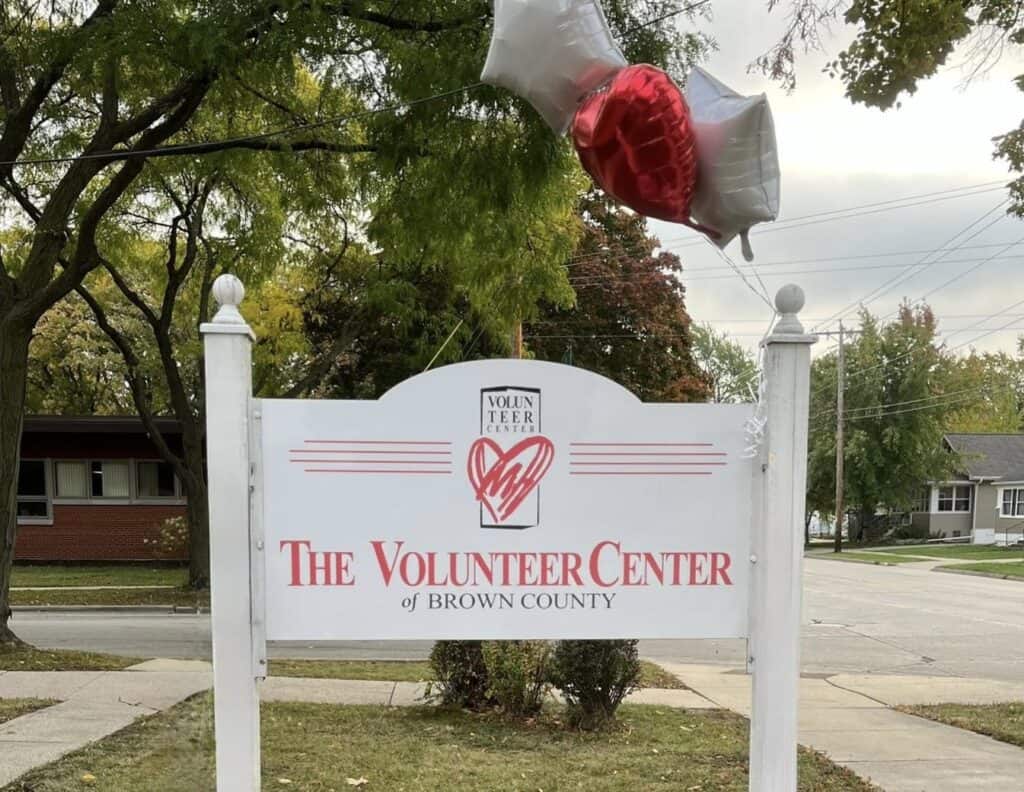
BROWN COUNTY – Since 1973, Executive Director Matt Hohner said The Volunteer Center of Brown County has worked to build “stronger communities through volunteerism.”
“We believe community strength is rooted in the service of its people,” he said. “Each year, we connect thousands of volunteers with local nonprofits so they can achieve their missions.”
Among its numerous initiatives – such as the Retired Senior Volunteer and Reading Coaches for Kids programs – Hohner said one in particular helps local employers establish a culture of volunteerism among their employees.
Several years ago, he said The Volunteer Center established its Workplace Volunteer Council – which brings business and corporate leaders together to share best practices, highlight the benefits of workplace volunteerism and coordinate responses to community needs.
“When nonprofits need large teams or specialized skills, the businesses that are part of the Workplace Volunteer Council can act quickly and efficiently to get those problems solved,” he said.
Cindy Quinnell – a clinical research program coordinator representing Prevea Health on the council – said the Workplace Volunteer Council offers a starting point for both new and established companies in the area looking to introduce internal volunteerism.
“There are a number of newer companies that are coming on to the Workplace Volunteer Council, and I think it’s really been beneficial to them, because [they have] never had any kind of volunteer program,” she said. “I think a lot of people want to [volunteer] – they just don’t know what to do or where to go.”
Despite operating as separate organizations, Quinnell said collaborating with other local companies on volunteerism via the Workplace Volunteer Council establishes a collective sense of responsibility to uplift the Northeast region.
“We’re all part of the same community,” she said. “The more people you have volunteering in the community, the better off it is going to be.”

Mutually beneficial collaboration
In Brown County, Hohner said on average, a volunteer can save any given nonprofit $34 an hour.
“Volunteers play an important role in the community [because they] help nonprofits in the area achieve their mission by lowering their employee expenses,” he said.
However, Hohner said nonprofits aren’t the only ones reaping the rewards of workplace volunteerism.
“It’s really a benefit for everyone,” he said. “The nonprofits obviously benefit from it, but so do the businesses.”
Companies that offer Volunteer Time Off (VTO), Hohner said, consistently report “improved morale, lower burnout [and] greater retention.”
“So, from a business standpoint, it’s a relatively low-cost investment with a high return,” he said.
At Prevea, Quinnell said both cross- and intra-departmental volunteer opportunities help establish company-wide camaraderie by bringing together colleagues who may not regularly collaborate.
“The research department is based in [the] cardiology [department],” she said. “We have kind of a big department, and people don’t really see each other all the time, so we’ve [served] the meals at the homeless shelter a few times, [and that’s] been a nice way to get our whole group to work together on something.”
Prevea’s annual Community Day – benefiting numerous local organizations – Quinnell said, also provides the company’s roughly 2,000 employees an opportunity to come together for a collective, community-based cause.
“Prevea is a huge organization,” she said. “So, [volunteering] gives you an opportunity to work alongside people you may never meet in the workplace because they’re in a different building or a different department.”
In addition to cultural benefits, Hohner said workplace volunteerism can help bolster a company’s local brand by demonstrating a commitment to the communities in which they operate.
“You’re representing your business when you’re out there,” he said. “Absolutely, it helps with brand recognition for those companies. It helps how the community sees your company.”
In an effort to better market its workplace volunteerism, Quinnell said Prevea is currently developing new initiatives to highlight the volunteer work of its employees and providers.
“We just started [offering] Volunteer Time Off a year and a half ago, and then… we’re bringing [volunteer T-shirts] back,” she said. “Those were some of the things the other organizations [on the Workplace Volunteer Council] had talked about that they do on a regular basis – [giving us ideas for] different ways of highlighting our volunteers.”
This year, as well, Quinnell said Prevea is working toward internally broadcasting interviews with its employees to demonstrate – both to its patients and fellow community members – how their local providers are positively impacting the community through volunteering.
“It shows we’re concerned with our community,” she said, “We’re an organization that has real people working here – people who go out, they live their lives and do things for the community.”
Currently, Hohner said there are roughly 15 active members participating in the Workplace Volunteer Council.
Meeting quarterly, he said the council’s first discussion topic of 2026 is an update on community needs.
“It’s regarding homelessness – Patrick Leifker from the Brown County Housing Authority is going to be the guest speaker,” he said. “Then, in May, the topic is volunteer recognition strategies.”
Additional topics to be discussed throughout this year, Hohner said, include a spotlight on local nonprofits, holiday giving and volunteering initiatives.
“The community is stronger with more volunteers,” he said. “The Workplace Volunteer Council helps build long-term partnerships with those businesses and the nonprofits; ensures volunteer efforts align with the community needs as they’re happening; and supports a lot of the company goals around culture, workforce development, retention and attracting new employees, too.”
Volunteerism investment = regional prosperity
Hohner said The Volunteer Center excels at marketing the work of regional nonprofits but faces challenges when it comes to promoting itself.
“Many people aren’t fully aware of the work The Volunteer Center does,” he said. “We do an excellent job promoting our nonprofit partners, but historically we haven’t done as strong a job telling our own story. A recent survey conducted by a local marketing and PR firm reinforced that people value our work, but they aren’t always sure what we do.”
Regardless, Hohner said its lack of recognition does not affect or negate The Volunteer Center’s impact on Northeast Wisconsin.
“[For example], our Reading Coaches for Kids program has more than 120 volunteers in, I believe, 28 elementary schools in the area helping kids who are struggling with literacy,” he said. “Our Retired Senior Volunteer Program – RSVP – focuses on individuals 55 and older, and it reduces isolation [and] promotes stable mental health for older adults.”
Beyond its individual volunteer opportunities, Hohner said the Workplace Volunteer Council helps The Volunteer Center of Brown County advance the region by providing companies a place to start building their own culture of volunteerism.
“When companies invest in volunteering,” he said, “they’re investing in the region’s quality of life.”
For more on The Volunteer Center of Brown County, its initiatives, programs and the Workplace Volunteer Council, visit volunteergb.org.