A shining ‘Star’ of restoration and community philanthropy
 Lakeside Foods supports food pantries, feeding programs



November 2, 2026
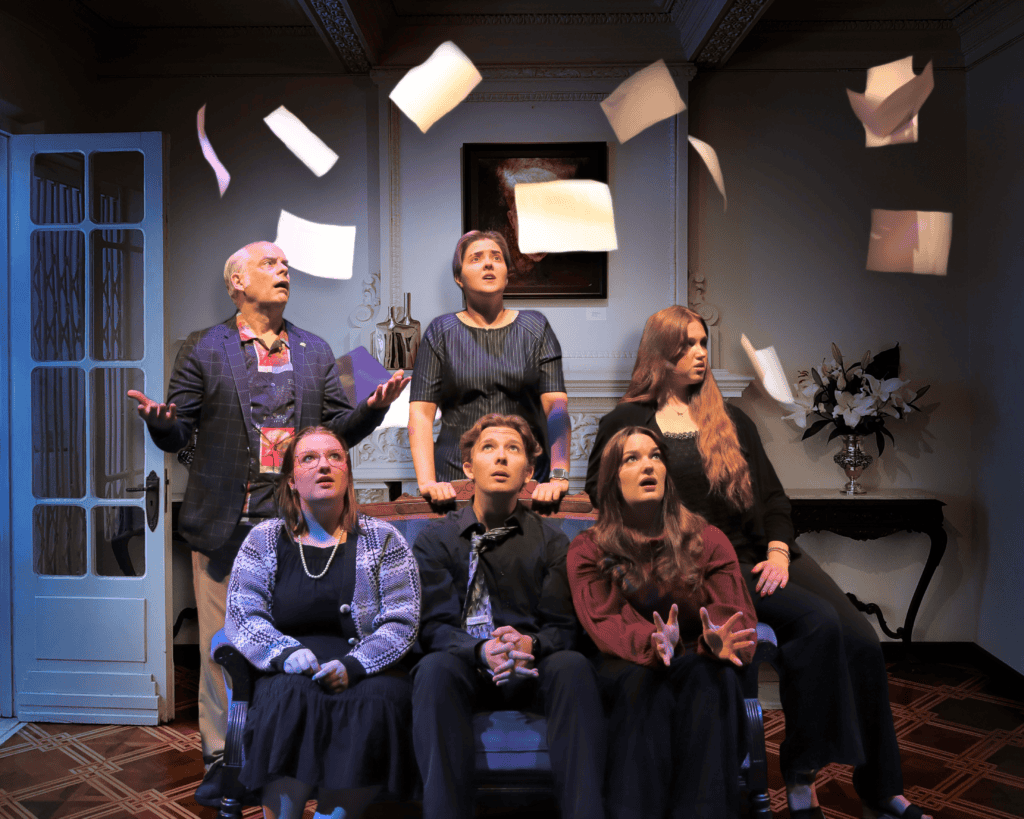
GREEN BAY – This month, the University of Wisconsin-Green Bay (UWGB) is putting a spotlight on creativity and artistic talent found right on campus, celebrating the world premieres of two original stage productions written by university professors.
In Northeast Wisconsin, Kelli Strickland, Executive Artistic Director of The Weidner, said audiences don’t have to look far to find national touring productions on local stages.
But sometimes, she said there is homegrown entertainment that’s worth celebrating.
“It’s really important that we don’t just think about art as something we import from someplace else,” she noted. “The creative ecosystem requires presented work from other places, but local artists, regional artists, national artists, and international artists all play a role in how we understand the stories and experiences of others.”
Strickland said the productions, debuting just one week apart, are part of World Premiere Wisconsin, a statewide initiative celebrating original theatrical works created and produced in Wisconsin.
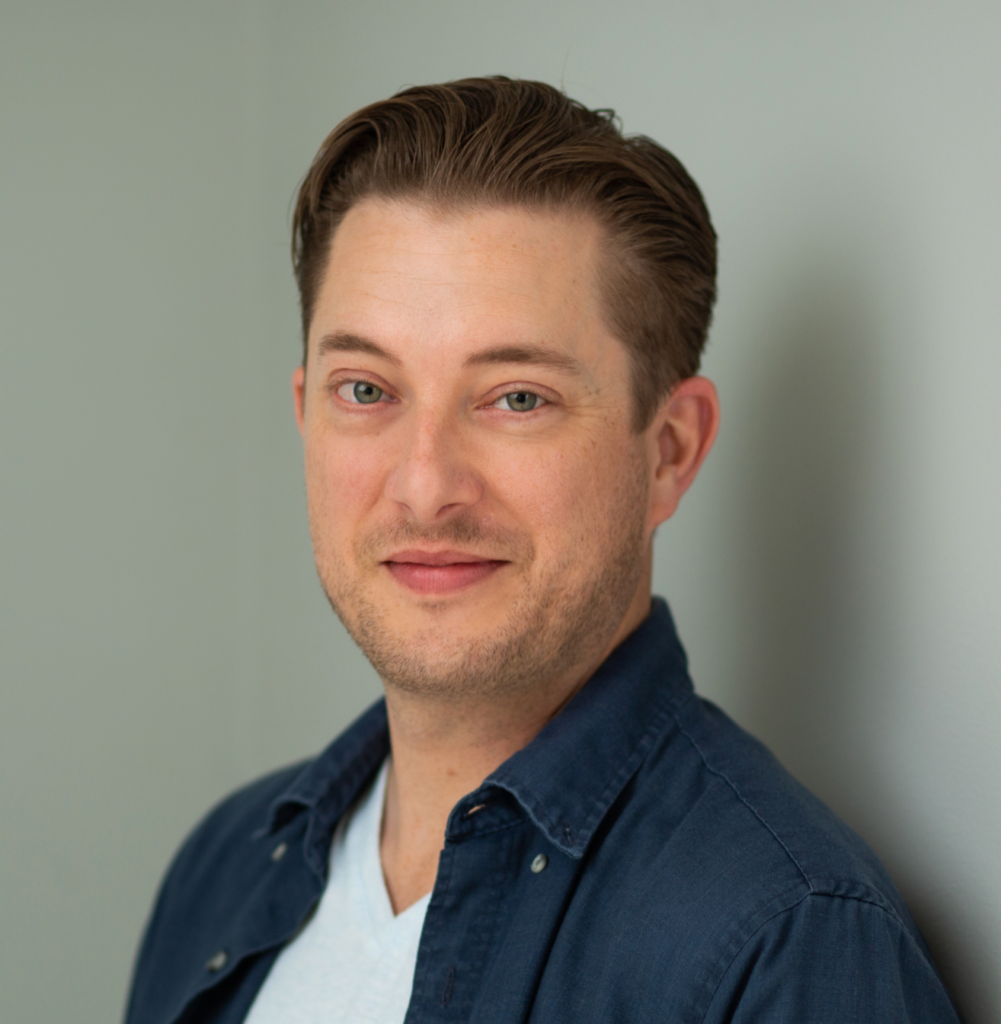
The combination will be on display when Chuck Rybak, a UWGB professor of English and humanities, premieres his comedy Drag Me Away at The Weidner beginning Nov. 5.
Then, beginning Nov. 12, a dark comedy entitled The Flying Corpse, written by Thomas Campbell, professor and chair of UWGB’s Theatre and Dance program, will debut at University Theatre in Theatre Hall on campus.
The creative economy, Strickland said, is about more than bringing established productions into a community; it’s also about nurturing the people and ideas already there.
From quirky idea to stage

Strickland said Rybak’s production, presented at The Weidner, offers a more formal theater experience – featuring herself and her husband, professional actor Noah Simon – while Campbell’s is an academic theater production featuring students from a variety of majors alongside a professional actor.
For Rybak, a longtime writer whose work has primarily focused on poetry and nonfiction, the journey to his first fully staged play began with an idea that had been sitting with him.
Years earlier, he said his wife had told him about a couple who tested whether they could physically drag each other to safety if their home caught fire.
Rybak said he first explored the idea with a poem.
“I wasn’t sure the poem was the end point, but it was a good starting point,” he said.
That premise eventually became Drag Me Away.
While the play is humorous, Rybak said he wanted to explore climate change and how people respond to overwhelming issues without preaching.
“I wanted to find a way to write about climate but in a way that felt really connected to our everyday lives and conversations,” he said.
The play earned third place in the William Faulkner Literary Competition, and a version was published by For Page & Screen Magazine, which Rybak said provided some reassurance that the idea had potential beyond the page.
He said he was friends with Strickland and Simon, and after having seen them perform together previously, he had envisioned the two in the roles while writing the play.
After a dinner-table reading, Rybak said they embraced the project, and that Strickland suggested developing the play for World Premiere Wisconsin, launching Rybak into an unfamiliar collaborative process.
“After writing it and going through table readings, I’ve only done half the work here,” he said. “I have no idea what this is going to look like; I’m used to writing, editing, and it’s finished. The process of the page interacting with the stage has been a very collaborative and interesting one. It has completely changed a lot of the writing experience into this other thing that is new for me and I’m not used to, but I really love it.”
Directed by Stephen Rupsch, with Katie Schroeder serving as stage manager, the play will be presented in Studio One at The Weidner, an intimate space accommodating fewer than 50 audience members.
Rather than using a traditional stage, Rybak said the production will place the actors at floor level, with the audience gathered around them.
That staging changed Rybak’s original vision, and he said he rewrote a section following rehearsal feedback.
UWGB has also played a role in making the production possible, Rybak said, and noted a university research enhancement grant he received to help cover expenses – including compensation for actors, props, lighting, and equipment – while The Weidner provided resources and support that would otherwise add to the production’s costs.
Although Rybak is a university professor, he said Drag Me Away is not an academic theater production involving students, and is instead part of The Weidner’s professional programming.
“The Weidner Center is not only the most vibrant and busy arts and culture part of our campus, but of the Green Bay community,” Rybak said, illustrating the breadth of the university’s cultural contributions.
UWGB’s arts programming, he said, serves two complementary purposes: educating students through academic programs, and engaging the community through professional performances and cultural experiences.
“[I want people to] leave not just entertained but also have something to think and talk about,” Rybak said.
A four-year journey comes to life
Across campus, Campbell is preparing to see a project that began in 2022 reach its first full production.
The Flying Corpse is a dark comedy about a family reuniting following the death of its estranged patriarch, a man whose emotional and mental abuse left lasting effects on those around him.
As family members navigate his unusual burial demands, they must also confront their relationships, identities, and decisions about how to move forward.
Campbell said the play’s absurd humor reflects recognizable family dynamics.
“Every family is unique, but we have these universalities; I love my family and yet… my family!” he said.
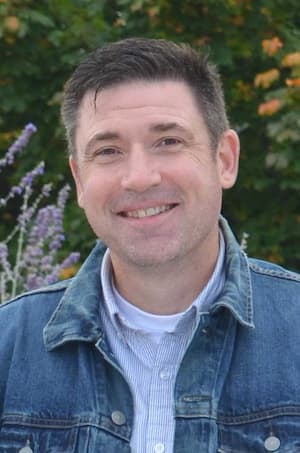
Campbell said he began writing the play in summer 2022 and completed the first draft the following summer.
It was subsequently selected as one of three plays for Forward Theatre Company’s Wisconsin Wrights New Play Festival in 2024, he said, providing an opportunity to work with professional actors and further develop the script, followed by another developmental reading at Third Avenue PlayWorks in Sturgeon Bay in February 2025.
Those experiences helped refine the work, but Campbell said he hadn’t necessarily planned on producing it at UWGB until his colleagues suggested the university stage it as part of World Premiere Wisconsin.
Initially, he said he resisted the idea, but his fellow faculty members believed the production would provide a valuable experience for students while showcasing the creative scholarship taking place within the department.
“I’m a playwright/director/drama nerd, and [being a] playwright is something I’ve done since I was 18,” he said. “It’s nice to showcase my scholarship in this way with our own students and faculty.”
Campbell said the production, directed by UWGB Associate Professor Rebecca Stone Thornberry, features 18 students alongside Alan Kopischke, an associate professor and member of the Actors’ Equity Association.
The students, he noted, represent majors in mechanical engineering, psychology, social work, education, information technology, political science, communication, music, and other areas, with roles spanning acting, stage management, lighting, sound, and crew.
Campbell said this diversity is one of the most valuable aspects of the experience.
He said UWGB’s Theatre and Dance program welcomes students from across the university, reflecting its open-access approach and the recognition that theater draws on skills and knowledge from many disciplines.
“Theater by its nature is interdisciplinary, and to walk the walk with that is something we pride ourselves on,” he said.
The educational benefits, he said, extend far beyond learning lines or developing performance skills, noting that students must examine human behavior, relationships, history, psychology, and socioeconomic circumstances to understand the characters and stories they are bringing to life.
They apply technical knowledge to translate a written script into a physical production; lighting, scenery, costumes, and sound require an understanding of engineering, physics, chemistry, and other disciplines, Campbell said, challenging the perception that arts education is simply extracurricular.
“I think far too often theater and the arts are seen as extracurricular, and as a product of entertainment,” he said. “Every play we produce is a case study on the human condition.”
The collaboration, problem-solving, empathy, and communication involved in producing a play have applications well beyond the stage, he said, but will carry the lessons into other fields.
Campbell said students are also seeing firsthand that creative work doesn’t emerge fully formed, as even after four years of development, The Flying Corpse continues to evolve through rehearsals and the contributions of actors, designers, and other collaborators.
He described the play as still being in its adolescence, with students participating in a process that has no fixed endpoint.
“Art is an evolutionary process that does not have an end point,” he said.
Seeing students and colleagues embrace the project has been especially rewarding, Campbell said, and the production has required an all-hands-on-deck effort.
“I’ve been writing plays for almost 30 years, and I’m always amazed at the enthusiasm people bring to the process and to honor the work,” he said.
Putting Wisconsin’s talent on the map
World Premiere Wisconsin, a statewide celebration that connects theaters, playwrights, and audiences through original works being presented throughout Wisconsin, will include both shows.
The initiative, Strickland said, will give participating artists a broader platform while encouraging audiences to discover performances beyond their usual venues.
The value goes beyond attracting an audience to a single production, she said; it’s about developing an environment where artists have opportunities to create work, audiences have opportunities to experience it, and communities recognize the value of both.
Strickland noted original productions also offer something different from touring shows that have already been presented to audiences elsewhere.
“To see stories that were created for your community is very different than seeing a story that was created for a more universal audience,” she said.

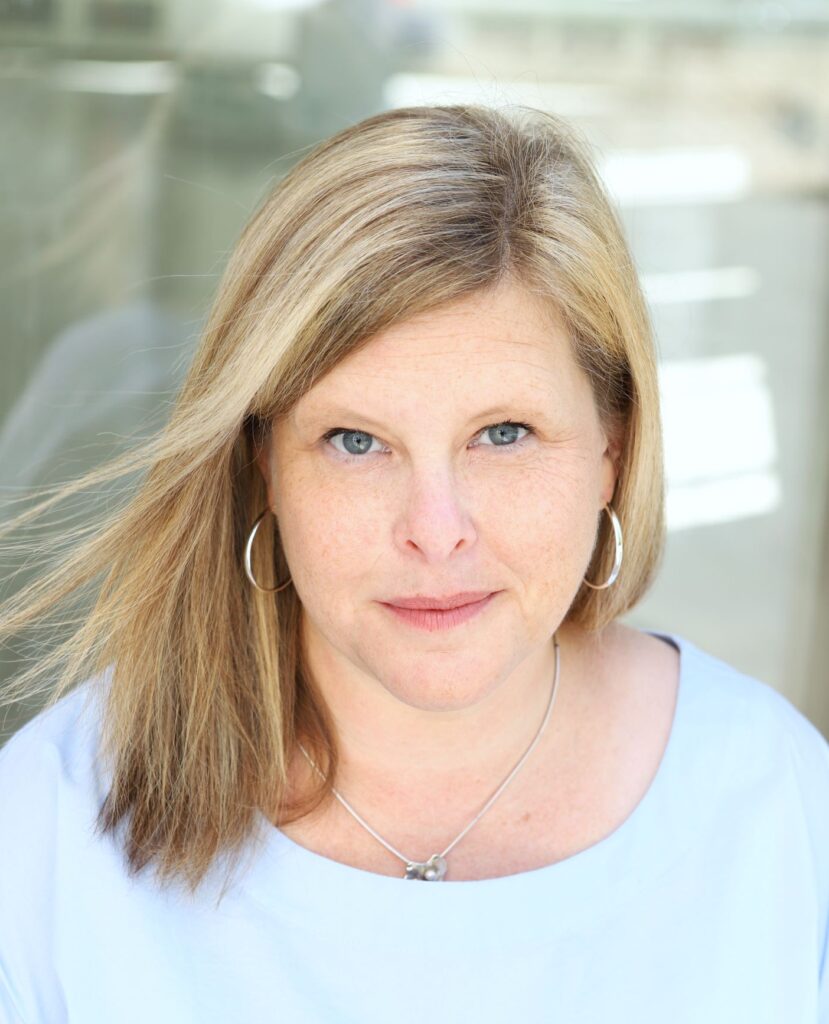
For Rybak, who has watched the Green Bay area’s cultural offerings expand in recent years, he said the productions represent another opportunity for residents to discover what’s available close to home.
He said the region’s arts community doesn’t always receive the recognition it deserves, particularly when compared with some of the area’s more visible attractions.
“I’ve always felt like the appetite for arts and culture in the area has been underrated in some ways…,” Rybak said. “There is a lot of creativity that people can take advantage of, and I hope they do when it comes to the show.”
Recognizing the creative economy
The economic importance of the arts isn’t always as visible as that of other major industries, but Strickland stated research conducted several years ago in Brown County revealed the local creative sector’s scale.
Using industry classifications, she said that while researchers found more than 3,500 creative professionals lived in Brown County and earned some or all of their income through industries classified as part of the creative sector, many worked elsewhere, highlighting the need for more local opportunities.
“We have a relatively large creative community here, but it’s low-visibility and very siloed,” she said. “Offering up opportunities to make work and put it in front of an audience is a great thing for the creative sector here.”
That visibility matters, as cultural offerings can contribute to both talent attraction and retention, Strickland said.
“It’s important to give opportunity and support our local creatives so they don’t feel like they have to leave to find opportunity,” she added.
Campbell said he sees the same connection between the arts and broader economic development.
Although Wisconsin’s arts community operates with comparatively limited public funding, he said the state’s creative sector continues to produce impressive work, and he believes greater investment could generate benefits well beyond the arts themselves.
“Investment in the arts is an investment in the communitywide economic development,” Campbell said.
While audiences may primarily think of theater as entertainment, he said producing a show requires many of the same considerations that go into running any other business: budgets to manage, audiences to attract, products to develop, and numerous individuals whose work must come together to make a production successful.
Individual artists also operate as small businesses within larger productions, Campbell said.
“An artist creates work, but how does the work get out there? We are engaging in business models and practices because we want audiences to come and engage in the work we are doing,” he said. “Depending on the level, but especially at academic level, it’s [easy to forget] that we are also a business.”
More than a show
Beyond economics, Strickland said live theater provides human connection in an increasingly digital world, something especially relevant to the play’s underlying message.
She said beyond its humor and climate-related themes, the story asks what it means to be there for another person when it matters most.
Strickland noted that live theater offers audiences a chance to consider those relationships while sharing an experience with others in their community.
“Seeking out experiences where we sit in physical space with other human beings from our community and having a shared experience is a really important thing to do at this moment in time,” she said.
Strickland said that may be one of the most important reasons to experience live theater in the first place.
Rybak said he hopes his play will contribute to those conversations, giving audiences something to discuss after the performance ends, while Campbell said he hopes audiences will recognize both the quality of the work and the educational value of the process that brought it to the stage.
All three said these productions serve as a reminder that Northeast Wisconsin has a wealth of creative talent worth supporting.
For more information about location and times of both performances, visit worldpremierewisconsin.com.