 Sustainability is black and white for Wall-Stone Holsteins
 FVTC brings paramedic training to its surrounding communities



July 13, 2026
NORTHEAST WISCONSIN – As one of the largest intergenerational wealth transfers in history begins to unfold, attorneys and fiduciary professionals across Northeast Wisconsin say demand for trust and estate planning services continues to grow.
Expected to take place over the next 20-25 years, the “Great Wealth Transfer” – according to Cerulli Associates, a national wealth management and consulting firm – is expected to shift trillions of dollars in assets from the Silent Generation (born 1928-45) and Baby Boomers (born 1946-64) to younger generations.
Likely to occur through inheritances, lifetime gifts, business succession plans and charitable giving, the transfer is creating what the Fond du Lac Area Foundation (fdlareafoundation.com) describes as an opportunity for families to shape their financial future, legacy and community impact.
For local estate planning professionals, these projections are more than just statistics of the future.
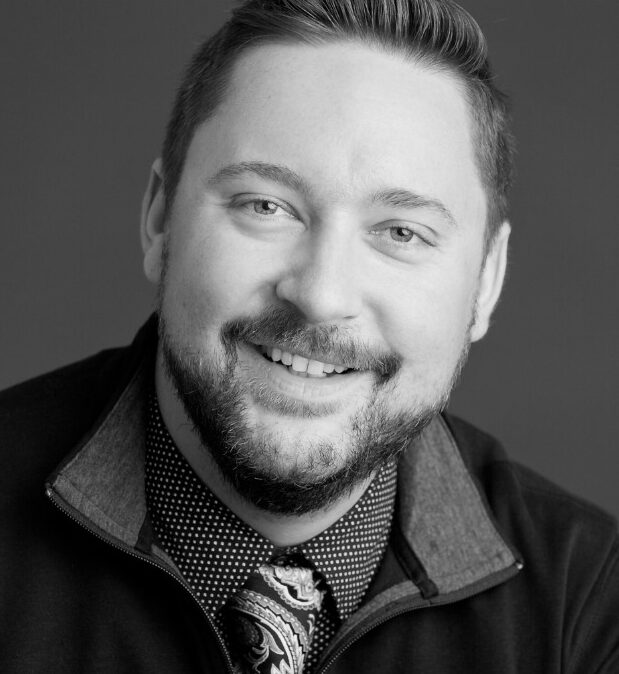
Matthew Brehmer – owner and attorney at Brehmer Law – and Anita Resch – senior fiduciary services manager at Johnson Financial Group – said the shift is already being felt locally.
“There is a true need for estate planning in Northeast Wisconsin,” Brehmer said. “I connect with several local attorneys who specialize in estate planning regularly, and we are all busy.”
However, he said the problem isn’t demand – it’s delay, which can have lasting consequences, creating unnecessary challenges for families and leaving important decisions to others.
The risk of no plan
Brehmer said one of the most common issues he sees is people delaying estate planning altogether.

“If you do not plan ahead, things can get real messy real quick,” he said.
When no estate plan is in place, Brehmer said Wisconsin law determines how assets are distributed after death, which may not reflect an individual’s wishes or intended beneficiaries.
Some assets, he said, may also be required to pass through probate – a court-supervised process that can take up to 18 months, cost several thousand dollars and become part of public record.
Brehmer said probate courts may also become responsible for appointing guardians for minor children and naming a personal representative to administer the estate.
That individual, Resch said, is responsible for gathering assets, paying debts and distributing property under court supervision.
Both Resch and Brehmer said the added court involvement can place unnecessary strain on families during an already difficult time.
Brehmer said the state’s intestate succession laws can also produce inheritance outcomes that differ from a person’s wishes, sometimes creating unnecessary family tension.
“If this does happen, a local attorney can help you through the probate process and settle the estate,” he said. “While everything we discuss with our clients is confidential, I always recommend open communication with their family. The more organized and the more they communicate their wishes, the easier it is for the family to handle their affairs after they are gone.”
Despite the importance of planning, Brehmer said many people continue to delay it.
“Nearly 70% of individuals never put together an estate plan,” he said.
Brehmer said this planning gap is one of the primary reasons demand continues to increase.
“Even though every person will pass away at some point, dying can get very complex if you don’t plan accordingly,” he said.
The Fond du Lac Area Foundation echoes that message, noting that when individuals fail to create an estate plan, decisions regarding their assets are often left to default legal processes rather than their own wishes and priorities.
And probate proceedings, Brehmer said, can take months to resolve.
“The court gives you up to 18 months to get through the process,” he said. “Usually, given the deadlines and paperwork involved with a probate, the quickest we can get through it is about six to nine months.”
In his experience, Brehmer said this not only delays the distribution of assets, but it also delays the grieving process.
“With a proper plan in place, it takes much less time to administer the estate and distribute the assets,” he said.
Resch said that’s where estate planning can make the greatest difference, providing clarity, control and confidence while helping ensure an individual’s wishes are carried out, reducing burdens on loved ones and limiting unnecessary court involvement.
Without a plan in place, she said families may be left navigating decisions dictated by state law rather than personal intent.
More than a will
Though many people associate estate planning with drafting a will, Brehmer said the practice encompasses much more.
“Estate planning is a broad term,” he said. “At a basic level, it includes wills, trusts and powers of attorney, and as estates or trusts become more complex, it can include much more.”
For business owners, Brehmer said that often includes succession planning, ownership transitions, business continuity, protecting assets and preparing future leadership.
Families, he said, may also establish trusts for children or grandchildren, plan for incapacity, coordinate beneficiary designations or incorporate charitable giving into their long-term financial plans.
For those who intend to make charitable gifts, Brehmer said planning can also help maximize potential tax advantages, whether the donation occurs during a person’s lifetime or through their estate.
Developing a comprehensive estate plan, he said, allows families to align their charitable goals with the assets that will have the greatest tax benefit.
“If that is a desire of yours, you need to get a plan in place to incorporate that giving and discuss which asset is best to leave to the charity – i.e., traditional IRA funds are usually best from a tax standpoint, as the charity will not have to pay taxes on the funds taken out of that account, whereas an individual will have to,” he said.
Aging population fueling demand
Resch said demographic shifts are also accelerating demand for trust and fiduciary services, citing the region’s aging population and growing awareness of the Great Wealth Transfer as key factors expected to drive significant financial change over the next five to 15 years.
As Baby Boomers begin passing assets to children and grandchildren, she said families are looking for trusted professionals to help navigate both financial and personal decisions.
“A lot of these situations happen during some of the hardest emotional periods of people’s lives,” she said. “It’s not when people are in the best headspace for learning entirely new financial concepts and processes.”
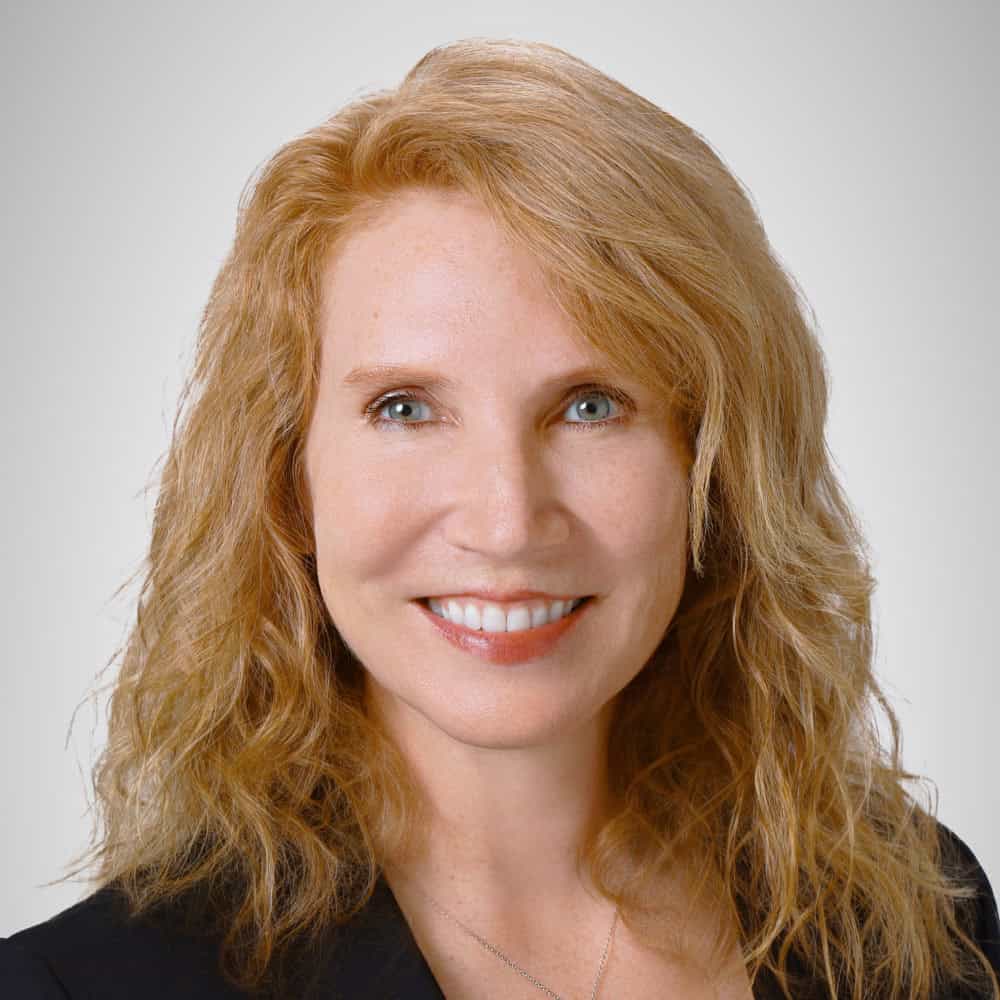
In addition to serving as trustees, co-trustees and personal representatives, Resch said fiduciary professionals often help administer estates, guide beneficiaries through settlement processes and ensure wealth is transferred according to a family’s wishes.
Growing complexity
Beyond the increased demand, both Resch and Brehmer said estate planning itself has become considerably more complicated.
Resch said changing family structures, longer life expectancies, rising business values and larger investment portfolios are driving more complex planning needs.
“As wealth has increased overall, there are just more things for people to think about,” she said. “The way families look is a little bit different than it used to be.”
These themes are echoed by the Fox Valley Estate Planning Council – a regional professional organization that brings together attorneys, accountants, financial planners, trust officers and other advisors to promote coordinated, multidisciplinary estate planning.
The council – per foxvalleyepc.org – defines estate planning as the process of coordinating asset management during a person’s lifetime to ensure efficient transfer of wealth after death, while minimizing taxes, maximizing asset protection and accounting for each family’s unique circumstances and legacy goals.
That framework, Resch said, is increasingly important as families become more complex, with blended families, second marriages, closely held businesses, farms, commercial real estate and investment assets all requiring more customized planning than previous generations.
She also said many families are now thinking beyond simply transferring assets to their children.
“Maybe Mom and Dad don’t necessarily need to give everything directly to their children because their children have their own financial situations,” she said. “They’re really looking to help the next generation.”
Resch said that has led to greater interest in multigenerational trusts, educating beneficiaries about financial stewardship and developing long-term family wealth strategies.
Tax law, she said, also remains a moving target.
“The estate tax exemption is relatively high right now,” she said. “As different administrations come and go, that changes as well. Having somebody to help guide people and navigate those complexities is important.”
Better informed clients
Brehmer and Resch both said today’s clients are more informed than in previous generations, which Brehmer said he attributes, in part, to greater access to information online and to families sharing personal experiences after losing loved ones.
“Information is much more accessible, so people are educating themselves on the need for planning, especially the need to hire a professional,” he said.
Brehmer said social media has also changed public awareness.
“When a family member passes without a plan, those experiences are shared much easier than in the past,” he said. “That reaches a lot more people and emphasizes the need for their own planning.”
Brehmer said he also credited Northeast Wisconsin’s network of financial advisors and accountants with encouraging clients to begin planning before a crisis occurs.
“I think a number of the great advisors we have in Northeast Wisconsin have contributed to this high demand,” he said. “They do a great job at encouraging their clients to see an estate-planning attorney.”
Similarly, the Fond du Lac Area Foundation, per its site, encourages families to begin conversations early, improve financial literacy, understand the tax implications of inherited assets and develop estate plans that reflect both personal and philanthropic goals.
Value of local expertise
Though trust and estate services have become increasingly competitive, both Brehmer and Resch said Northeast Wisconsin clients continue to value local relationships.
“There are a number of good estate planning attorneys in this area,” Brehmer said. “While it is competitive, we all work together to share best practices and help each other when needed.”
Rather than viewing one another strictly as competitors, Brehmer said many attorneys collaborate to strengthen the region’s estate planning profession.
“We want Northeast Wisconsin to have the reputation that it has great and experienced estate planning attorneys to help keep clients with local attorneys,” he said.
Resch said Johnson Financial Group has experienced continued growth in fiduciary services partly because some providers have shifted ownership structures or expanded beyond Wisconsin.
“We’re Wisconsin-based and Wisconsin-focused,” she said. “We’re not trying to dilute our attention and growth into other states and markets.”
Resch said local decision-making matters because estate planning frequently involves more than finances.
“A lot of the things you deal with and help clients with are very personal and very emotional,” she said. “It’s finances and family.”
Wisconsin also presents unique planning considerations, Resch said, because much of the state’s wealth has been built through privately owned manufacturing companies, farms, commercial real estate and closely held businesses rather than large, publicly traded corporations.
Understanding those businesses, local laws and community values, she said, allows advisors to better serve families throughout the region.
Looking ahead
Both Brehmer and Resch said they anticipate continued demand for trust and estate planning services, with no slowdown expected in the near term.
“I don’t see the complexity getting less complicated,” Resch said. “Multigenerational wealth management is definitely here to stay.”
Echoing that outlook, Brehmer said Northeast Wisconsin’s experienced legal community – including organizations such as the Fox Valley Estate Planning Council – continues to help prepare younger attorneys while fostering collaboration among professionals.
“We have some really good attorneys in this area who can help meet that demand and educate younger attorneys to step up and continue to meet that demand,” he said.
As the Great Wealth Transfer continues over the coming decades, both Brehmer and Resch said proactive planning will become increasingly important for families and business owners navigating increasingly complex financial and personal decisions.