 Raise a glass to 150-plus years of brewing tradition
 Mid-State Technical College takes tailored roadshow to employers, adults


July 27, 2026
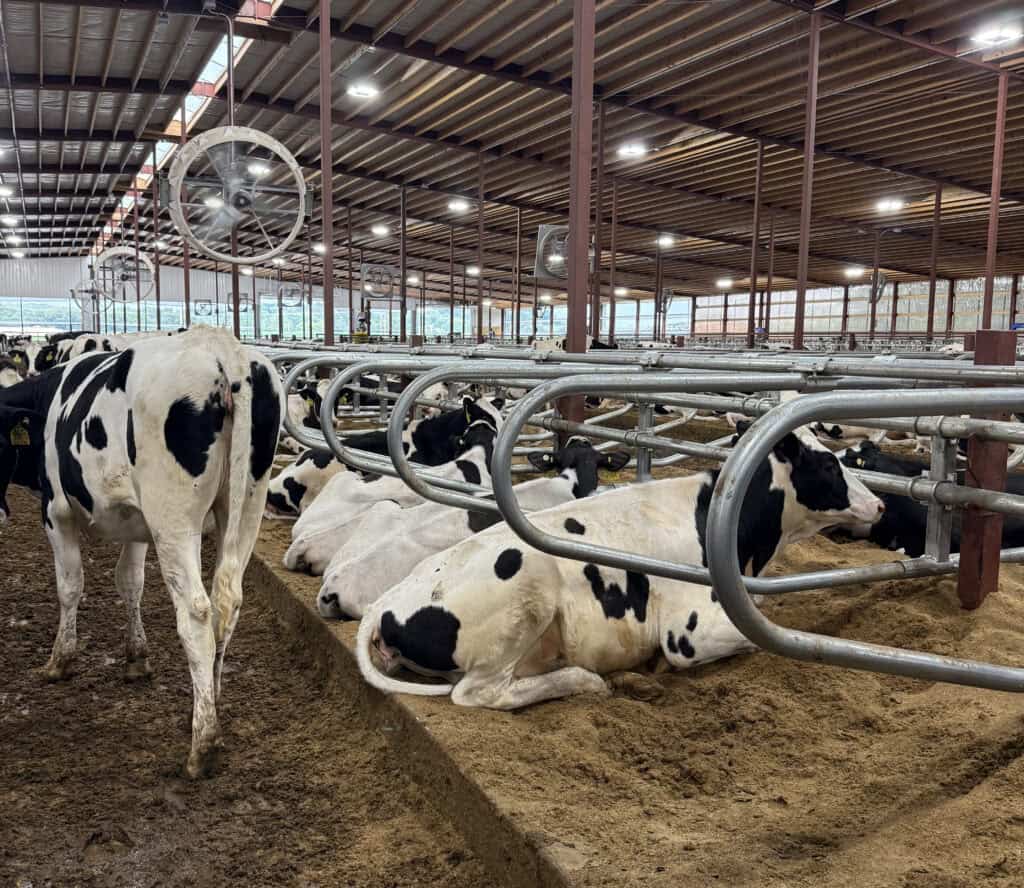
KEWASKUM – More than a year of planning, coordination and construction has resulted in two major additions at Golden “E” Dairy Farms: a new home for heifers and the launch of a manure separation system.
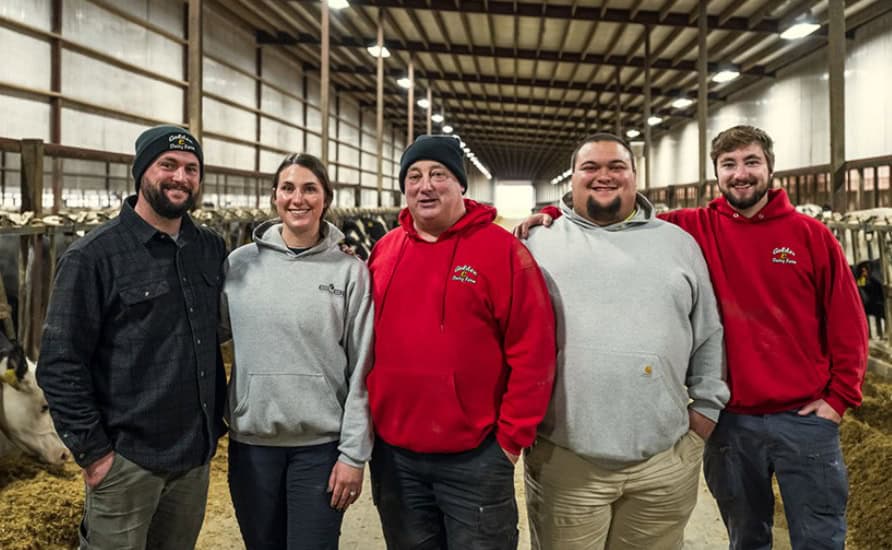
Ryan Elbe – who owns and manages the farm with his siblings Kim, Matt and Kyle – said the investments were made with the future of the operation in mind.
“Continuously investing in our animals puts Golden ‘E’ Dairy Farms on the fast track for a successful future,” he said.
Growth beyond herd size
Rather than adding more cows, Elbe said the family’s goal has been to improve the operation.
That philosophy – summed up by the motto “doing better with what we have” – he said led to the investments in the new heifer facility and manure separation system.
“We don’t want more cows,” he said. “We want better cows. So, over the past decade, we have invested greatly in the genetics of our herd and continued to invest in other facilities along the way.”
As the family evaluated its operation, Elbe said it became clear that heifer housing was limiting the farm’s ability to continue improving.
Though the farm’s on-site and satellite facilities had served the farm well, Elbe said the family believed investing in a new facility would better support the health and development of the young animals that will one day enter the milking herd.

“Remember, heifers are the future of your herd,” he said. “As I said, the facilities did work, but some converted dairy freestall barns were showing their age – especially after some snow-load issues.”
Though they were able to address issues with the existing facilities as they arose, Elbe said it became evident they would eventually need to be replaced.
As a result, he said a new heifer facility became a priority.
“Originally, we planned to build only what we needed,” he said.
Elbe said the project quickly evolved into a larger investment when the decision was made to close one of their satellite farms.
“[We then decided to build] enough space to house about half of our heifers, with plans to build the remaining capacity in the future and eventually close the second satellite farm,” he said. “I was just happy I convinced everyone to build more than we needed and do it right – even if it was in stages.”
Elbe said the plan changed again when their mother challenged the family’s phased approach.
“She said, ‘Why would we not do it all at once? How much more will building costs rise in the next three or five years when we build the other half?’” he said.
Elbe said her perspective ultimately convinced his siblings to move forward with the entire project rather than completing it in phases – a decision he was “possibly ecstatic” about.
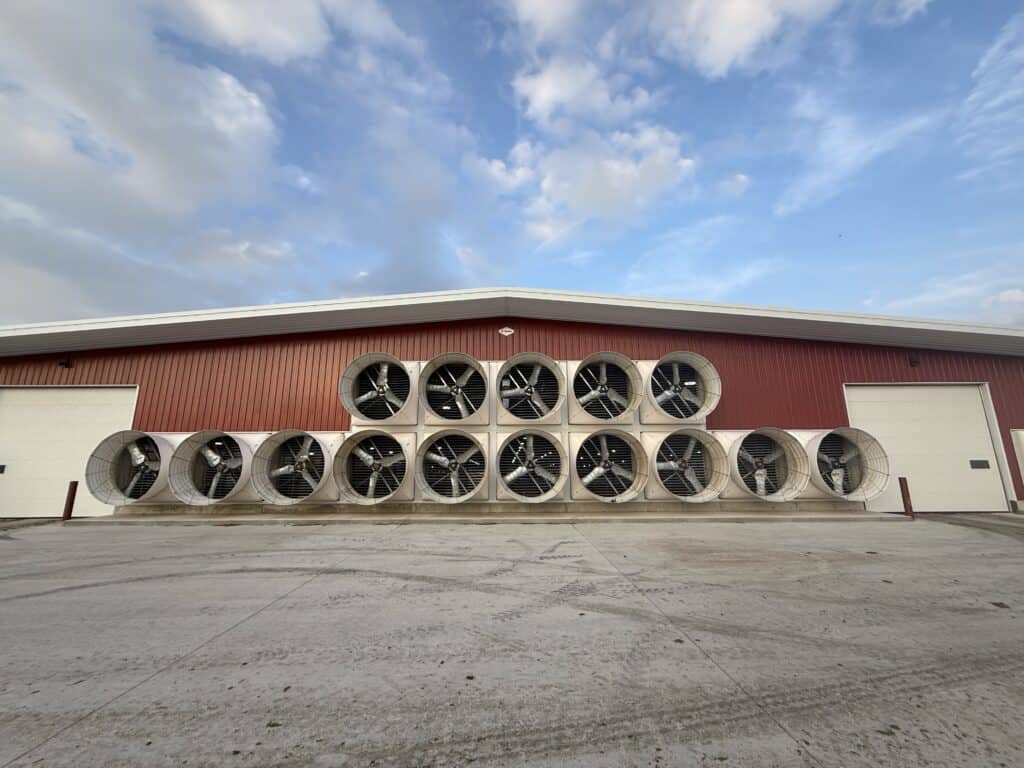
“Do it once, and do it right,” he said. “The right size stalls. The right amount of feed bunk space. The right amount of ventilation. So, that’s what we did. Working with Keller, we designed the best building we could dream up for our youngstock.”
Manure separation system
Though sand bedding had been the farm’s standard practice for its dairy cows for years, Elbe said Golden “E” Dairy had been exploring manure separation as a future investment for more than five years.
Though sand is “arguably the best bedding for a dairy cow,” Elbe said it comes with its list of headaches as well.
“Mainly being the cost,” he said. “Not so much for the product, but it wears down manure handling equipment, and there is a surcharge on the manure hauling bill while adding to the amount of manure we need to haul out in the spring and fall of the year.”
Elbe said the new heifer barn project created an opportunity for the farm to rethink its bedding system.
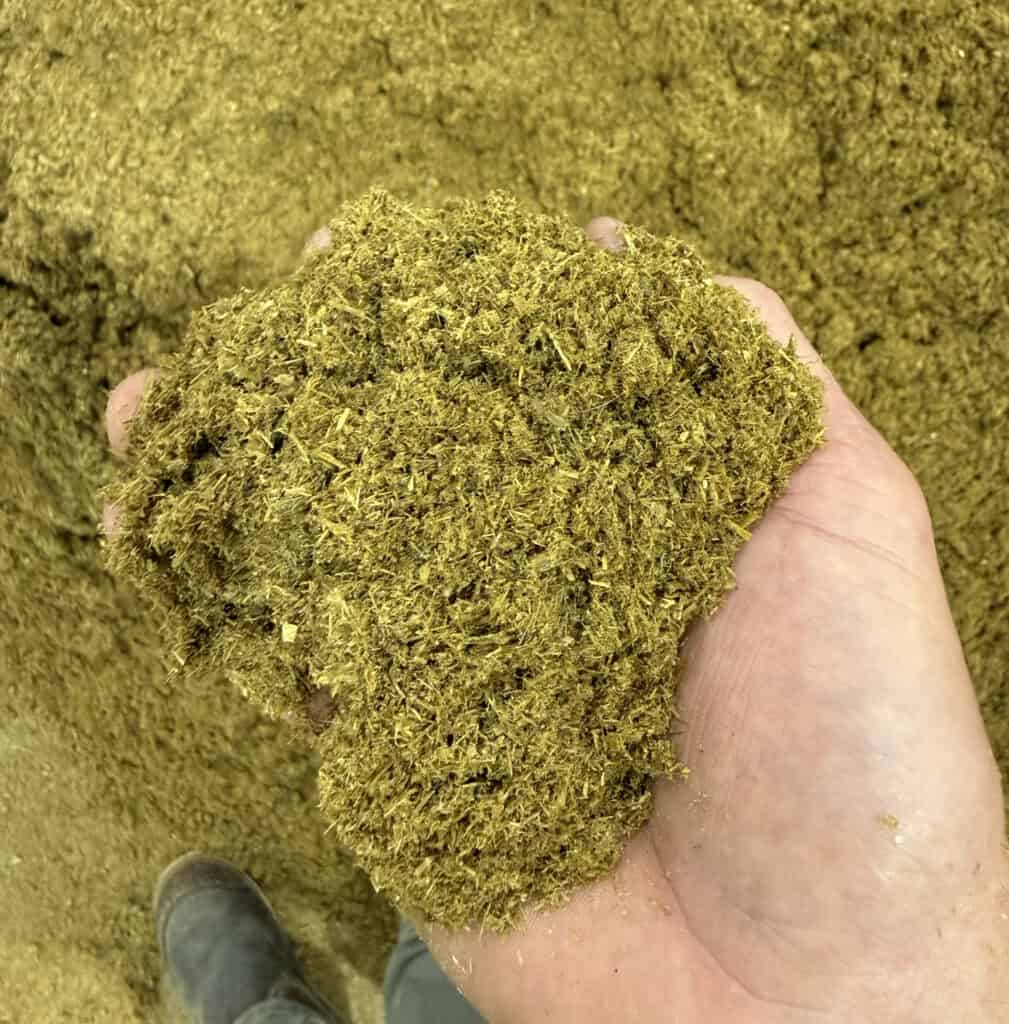
“We decided not to fill the new heifer barn with sand and make the jump to manure solid bedding,” he said. “This involved building a facility to process manure, separating the solid fiber from the liquid manure and utilizing the fiber as a bedding material for the animals to lie on in place of sand.”
Dairy roots run deep
Eble said Golden “E” Dairy was started in 1991 by his parents, Chris and Tracey.
Though neither of his parents came from a farming background, Elbe said his father developed a connection to agriculture at a young age, beginning work on a neighbor’s farm in Cedarburg when he was nine years old.
“He very rapidly grew to love dairy farming and continued to work for that farm through the financial hardship of the 1980s,” he said. “They weren’t able to pay him much the last several years, but they compensated him in heifer calves.”
When that operation eventually closed its doors, Elbe said his parents took a leap of faith and purchased a farm in Kewaskum just three days before their wedding in 1991.
He said they brought with them the 90 dairy animals his father had earned working and began building what would become Golden “E” Dairy.
Elbe said the farm’s name also carried a personal meaning.
Golden “E” Dairy, he said, was inspired by his mother’s love for dogs – including the family’s golden retrievers at the time – along with the “E” representing their last name.
Unlike their parents, who found their way into agriculture, Elbe said he and his siblings grew up on the farm where they now share management responsibilities, each playing an equal role in the operation.
“You wear many hats on a dairy operation, and the hats change several times a day,” he said. “But it definitely keeps things interesting as I enjoy solving challenges.”
Elbe said he and his siblings experienced the farm’s growth firsthand, watching the operation expand and evolve throughout their childhood.
“The farm grew as fast as I did,” he said. “Driving the excitement and fueling the passion of agriculture, that was essentially in my blood. I’ve always wanted to be a farmer. I have the drive and passion that’s needed to be one today.”
Elbe said his main responsibilities on the farm are in the areas of cropping, maintenance and planning.
“I love solving problems and seeing different paths to a solution,” he said. “And in the world of dairy farming, problems arise throughout the day – every day. It keeps me on my toes and keeps my job exciting.”
With nearly all aspects of the operation handled in-house, with the exception of liquid manure hauling, Elbe said the farm has grown to employ more than 30 people, including family members.
“Which is relatively half the amount of people for a similar-sized operation,” he said. “We definitely keep things very efficient. Investing in great facilities and equipment, we keep the gears turning very smoothly.”
Though Golden “E” Dairy primarily focuses on dairy production, Elbe said the farm also raises Angus beef animals and hopes to expand that area now that the new heifer barn has created additional space.
All cropping operations are also completed internally, he said, allowing the farm to manage another key part of the operation from start to finish.
“[We] grow silage corn, grain corn, alfalfa, wheat and high-oleic soybeans – all of which are used to feed our animals, except the wheat,” he said.
Sustainability
Elbe said the farm’s approach to sustainability is reflected in its continued investments in the operation, including roasting its own soybeans, drying, storing and milling its own corn; operating a bulk fuel center; raising its own youngstock; and using 360 RAIN units to apply nutrients and water to growing crops.
“All these investments ultimately lower our cost of production, so when we want to buy a piece of land or build a new heifer barn, we can do so regardless of the milk price,” he said.
Elbe said he disagrees with the idea that dairy farmers must increase herd size to justify major capital investments.
He said there are other ways to strengthen an operation, including investing in efficiency, infrastructure and long-term sustainability.
“There are other paths,” he said.
‘Big shoes to fill’
Elbe said Golden “E” Dairy maintains an open-door policy, welcoming other farmers who are interested in learning from the operation’s experiences.
Whether someone has questions about a practice the farm has implemented or an idea they want to explore, Elbe said he is willing to share what has worked and offer his perspective.
“This industry shouldn’t have trade secrets in my mind,” he said. “We need to work together as an industry.”
Elbe said agriculture is deeply connected to Wisconsin’s identity and continues to serve as a foundation for the state’s economy, communities and way of life.
“But the future of agriculture looks uncertain,” he said.
Elbe said agriculture’s financial structure creates unique challenges for producers, who typically purchase supplies at retail prices but sell commodities at wholesale values.
“It’s tough making it in agriculture today,” he said.
As the industry faces a generational transition – “with 40% of all U.S. farming operations being owned by a farmer that’s 65 or older” – Elbe said the opportunity for younger farmers is significant, but so are the financial hurdles.
The challenge, he said, is determining whether the next generation can afford to take over those operations.
“Time will tell,” he said. “Unfortunately, I see the trend of farm consolidation not only continuing but accelerating rapidly.”
The next generation of Golden “E” Dairy, Elbe said, “has big shoes to fill.”
“But I’m blessed to work alongside my sister and two brothers who all bring their own skill set to the table,” he said. “Mom and Dad have truly built a business to be proud of, and I know we will make them proud as we take over the family farm.”