 NWTC, Aviate Flight School pilot program cleared for takeoff
 Fostering conversations around statewide childcare crisis


September 14, 2026
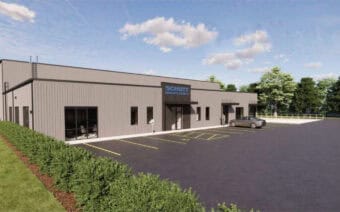
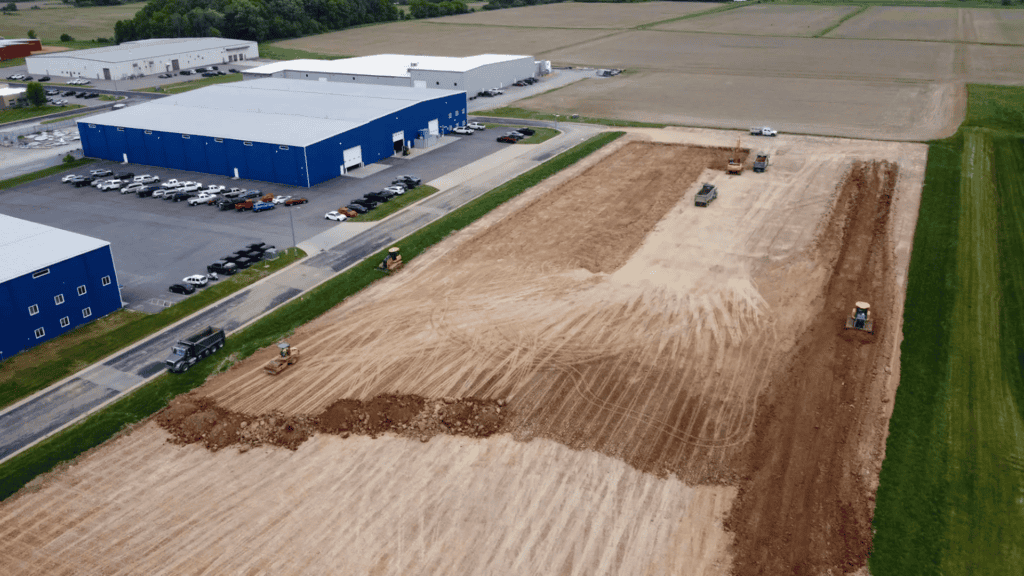
MARSHFIELD – Quality Tank Solutions (QTS) will open a 99,000-square-foot facility in Marshfield in early 2027, Owner/CEO Jimmi-Jean Sukys said, creating 30 jobs and giving the company room to build tanks up to 100,000 gallons.
Sukys said the move builds on a growth trajectory that began when QTS – which also has a location in Oconomowoc – launched 14 years ago.
Growing organically with “not a lot of marketing,” Sukys said the company initially focused on food and liquid sanitary applications and smaller, standardized vessel sizes.
After earning its American Society of Mechanical Engineers certification, she said QTS was able to move into larger vessels.
Sukys said the company’s first Marshfield facility, built in 2018, increased its capacity to 50,000-gallon tanks – which, at the time, was a significant jump from the 15,000-gallon tanks it had previously produced.
“At the time, there was a demand in the industry for high-quality sanitary welders, and there still is,” she said. “As we continued to grow the company, we’ve been looking at the Silo Project since 2020, but we had to get Plant Two up and running first.”
Sukys said Plant Two was built primarily to support QTS’ internal infrastructure, with the secondary goal of eventually selling that infrastructure.
She said it wasn’t until 2024 that she and her team began seeing increased demand for larger tanks and QTS’ products.
“In addition to having to confirm the needs, we had to secure the land next to us, and we had to get with the city to make a change to the road,” she said. “It took a bit longer than we hoped for, but I’m a firm believer that everything happens when it should.”

Embracing quality
Sukys said QTS’ focus on quality is what sets the company apart.
She said for her, that advantage is straightforward: The sanitary stainless steel industry serves a wide range of essential markets – from health and wellness and pet food to food and beverage, brewing and distilling.
As companies work to improve food quality, Sukys said they’re also changing the processes used to make those products, thus creating new opportunities for QTS.
“Right now, most of the large vessels – 80,000-gallon silos, for example – are made by two manufacturers in the U.S. – however, most companies buy from Europe because they can get them in 24 weeks, whereas the U.S. manufacturer is going to quote more than 52 weeks,” she said.
Sukys said a key driver behind the larger facility was increasing throughput and cutting lead times in half.
“I would love to see a 50,000-to-80,000-gallon silo be able to get through our facility in 24 weeks instead of 52,” she said.
For QTS, Sukys said success comes down to delivering on time and being consistent in an industry where both matter.
She said the company has built strong relationships with Wisconsin partners and buyers, while maintaining a healthy mix of domestic and international clients.
“We have tanks all over the world, from Dubai to China – which is crazy to say,” she said. “It’s been an amazing journey, and I have the most amazing staff – my core group has been with me since the beginning, and that’s awesome.”
Sukys said customer demand drove the decision to build the new facility, with QTS targeting two areas: vessels of 50,000 gallons and larger and aseptic tanks.
Because of the infrastructure required, she said few manufacturers can build aseptic tanks.
At 10,000 gallons, Sukys said the vessels are already massive – and using half-inch-thick stainless steel makes them even more difficult for smaller shops to handle.
The new facility, she said, will give QTS the infrastructure to take on larger projects while further establishing the company in the Midwest – including Wisconsin, which she describes as an “amazing place to do business.”
“There’s so much support here, from the way the Wisconsin Business Development has helped, to the support from the local communities and of course Marshfield, which has been very welcoming to QTS,” she said.
Sukys said Marshfield’s welcoming community helped QTS decide to put down roots in the city when it broke ground on its first facility in 2017.
As QTS has grown and added facilities, she said the community’s continued support has humbled her.
“It’s been one door opening after another, and that can’t be forced,” she said. “It takes great employees, so it’s that commitment to quality and craftsmanship that allows us to excel and be at the top of the list when people are making calls.”
New tech, advancements
Sukys said the new facility will incorporate some automation, as the size and weight of larger vessels require assistance beyond human capability.
Still, she said the final product will be finished by hand.
“We’re bringing in new equipment that can uncoil stainless, roll it out, weld it, grind and get it to the point where it can move down the line,” she said. “It’s not an assembly line per se, but there are features of an assembly line, and that’s where the biggest use of automation will be.”
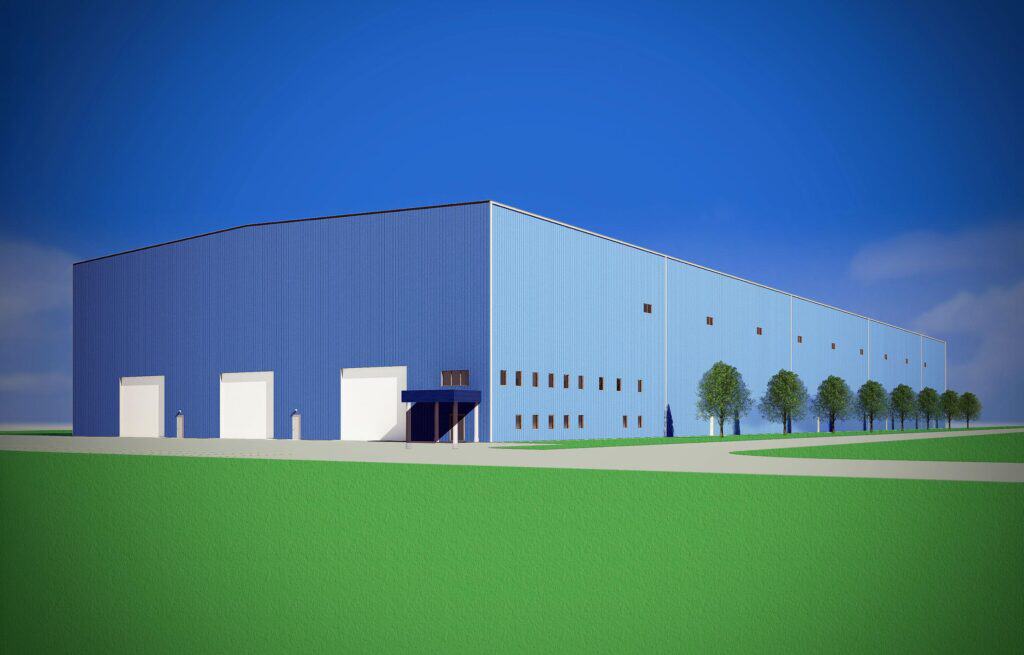
Since announcing the groundbreaking, Sukys said QTS has already heard from people in Europe who are “very eager” to see the new facility and learn what the company can do.
“We deal with a lot of companies who are based outside the U.S. but have ties here and are expanding to Mexico or other parts of the world,” she said.
Sukys said demand from customers who would prefer a U.S. manufacturer, particularly for its quality, has been a driving factor behind the expansion.
She said the new facility will allow QTS to grow that side of the business while raising awareness of the company and its capabilities.
Beyond quality, Sukys said the expansion will give QTS the equipment needed to take on projects it currently can’t, including aseptic tanks.
“You have companies all over the U.S. that require aseptic tanks, and I get bid requests constantly,” she said. “So far, we have had to deny them – it’s about the right infrastructure and right equipment to do them correctly. This new facility opens up more avenues and doors by allowing for diversification in our portfolio.”
Sukys said the goal is to create stability for employees and keep QTS consistently busy.
Because manufacturing can be cyclical depending on the industry, she said the company is planning for a future built around steady, consistent work.
QTS family makes a difference
Sukys said for her, QTS’ family culture is best seen in the employees who grow with the company.
One employee, she said, started on the shop floor in high school and, after developing their skills, moved into full-time positions.
“Watching the young [people] grow and take the next steps to go full-time and work their way up is amazing,” she said.
Sukys said that employee is not an isolated example.
Several QTS employees, she said, started their careers with the company and remain there today, now serving in leadership roles.
That kind of progression, Sukys said, is where QTS stands out – allowing employees to grow into careers that last.
“I know I can’t force somebody to be excited about what we do, but I certainly can give them the best and allow them to have what they need to create and do their jobs to the best of their ability,” she said. “Because of that, I watch them excel. That’s the investment to become part of the family.”
Sukys said QTS is also working with schools in Marshfield and Oconomowoc to develop internship opportunities.
The positions would extend beyond welding, she said, giving students experience in areas such as office operations, design, mechanical engineering and 3D modeling.
Sukys said even though she’s the owner, she still loves getting out on the shop floor.
“I never imagined [the company] would be as big as it’s gotten to be, but the journey has been so fulfilling,” she said. “Watching the needs of the community being met, having good health insurance, a good work-life balance, matching 401(k), giving opportunities and, most of all, making sure people feel wanted, not like a number.”
Community engagement from the start
Sukys said QTS’ growth has been less about following a set path and more about responding to what customers needed next.
She said that was particularly evident during the COVID-19 pandemic.
Deemed an essential business, Sukys said QTS remained open, allowing the company to keep working as other industries slowed.
“We grew immensely during that time – it was crazy looking back,” she said. “We kept seeing more need for what we could create, design and build, which led to other things at that time.”
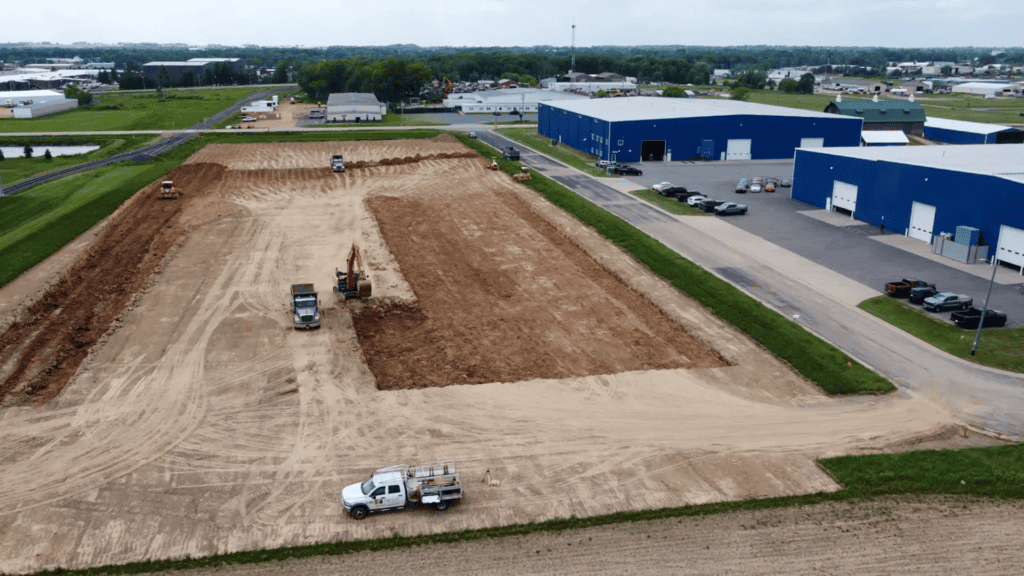
Sukys said the pandemic also opened the door to new work for QTS, including skidded systems – complete, self-contained industrial systems built on structural steel frames off-site before being delivered to their final locations.
That work, she said, expanded to include platforms around tanks, as well as the pump skids and cleaning equipment that accompany them.
“We’re seeing growth in those directions, too, on the automation side,” she said. “So, this growth for QTS is leading to other avenues where the sky is the limit. One of those avenues is an international patent for a 3-A-approved horizontal agitator that will complement the silos, which is already taking off, and we haven’t even gone to market with them.”
Sukys said she knows from experience that the process side of the sanitary industry cannot be learned from a textbook alone – it is learned on the job.
QTS’ Wisconsin roots complement that hands-on experience, she said, given the state’s concentration of food manufacturers.
Working directly with those plants, Sukys said, allows QTS to better understand their needs and develop solutions to address them.
“Right now, we’re expanding in both locations,” she said. “We’ve brought on about 30 people.”
Across the industry, Sukys said business leaders are increasingly looking for ways to serve their U.S. plants with U.S.-made equipment.
For QTS, she said it comes down to brass tacks: what do customers need, and how can they provide it?
“When you have people who care about the quality and need a high-end, quality product that they know they can’t skip on, it’s a pretty good feeling when they say they need a QTS tank,” she said.
Head to qts4u.com to learn more.