 Stop and smell the lavender at Lavender Bluff Farm
 GB Blizzard to take on UWGB ‘alter ego’ – the Frozen Phoenix


August 10, 2026
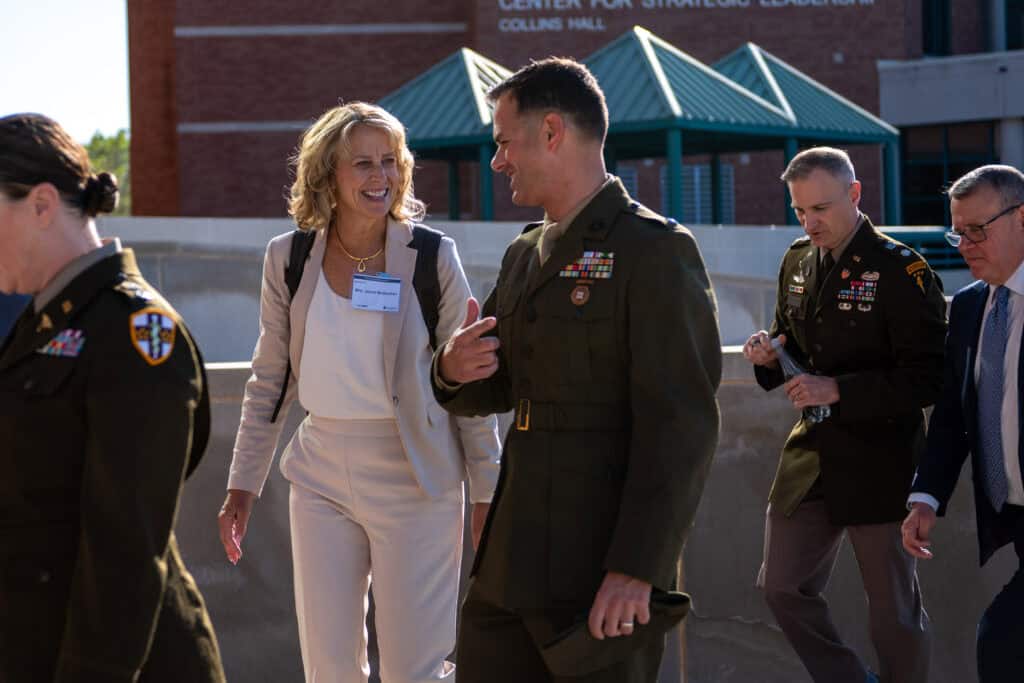
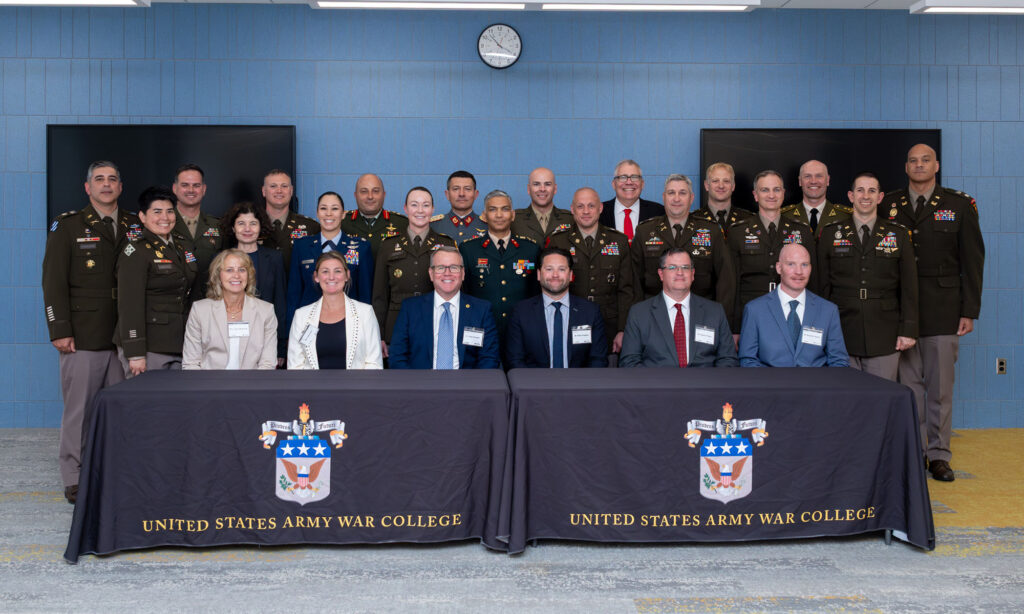
I recently had the privilege of participating in the U.S. Army War College National Security Seminar in Carlisle, Pennsylvania.
The experience brought together military leaders, academics and business professionals to discuss the increasingly complex global environment.
As I listened to discussions about force readiness, emerging technologies, geopolitical competition and long-term national security priorities, I found myself continually drawing parallels to the challenges business leaders face every day.
At the same time, I recognized that business strategy and national security strategy pursue very different missions.
One seeks to create value, growth and sustainability.
The other seeks to protect national interests and preserve strategic advantages.
Yet despite their different objectives, both disciplines require leaders to answer remarkably similar questions:
- What future are we trying to create?
- What challenges are likely to emerge?
- What resources do we have available?
- What risks are we willing to accept?
- What capabilities must we build today to succeed tomorrow?
The seminar reinforced a lesson I have seen repeatedly throughout my career – strategy is ultimately the disciplined process of making choices under uncertainty.

Different missions, similar challenges
Business leaders focus on growth, profitability, enterprise value, talent development and creating options for the future.
National security leaders protect national interests while preparing for threats that may not materialize for years.
Though their missions are different, they both face a common reality: leaders must make decisions today without complete information about tomorrow.
Throughout the seminar, military leaders discussed preparing for emerging technologies, evolving forms of warfare, shifting alliances, cyber threats and economic competition while maintaining readiness for today’s challenges.
Business leaders face similar uncertainty.
Artificial intelligence, workforce shortages, supply chain disruptions, changing customer expectations and economic volatility are reshaping the competitive landscape.
Successfully navigating that uncertainty requires thoughtful decisions about people, resources and long-term priorities.
The strategic choices framework
One concept from the Army War College particularly resonated with me.
They teach leaders to think strategically by balancing three competing priorities: force structure, modernization and readiness.
Though military in origin, the framework applies surprisingly well to business.
Force structure
In military terms, force structure is the personnel and capabilities available to accomplish the mission.
In business, force structure is your leadership team, organizational design, workforce, culture and operational capabilities.
- Do you have the right people in the right roles?
- Is decision-making occurring at the appropriate levels?
- Can the organization execute without overreliance on one or two key individuals?
Many businesses are not limited by opportunity.
They’re limited by organizational capacity.
Growth often stalls because the structure that got the company to its current level is no longer sufficient to take it to the next level.
Modernization
Modernization focuses on building the capabilities the military needs to succeed in the future.
For businesses, modernization includes leadership development, technology investments, process improvement, innovation, succession planning and building scalable systems.
These investments may not deliver immediate results, but they can determine future success.
Organizations that focus exclusively on current performance often fail to invest in future capabilities.
The irony is that today’s success often creates tomorrow’s vulnerability.
Readiness
Readiness is the military’s ability to execute its mission today.
For business leaders, readiness includes cash flow, customer service, operational performance, sales execution, employee engagement, financial discipline and management accountability.
Readiness matters because no amount of future planning compensates for poor execution in the present.
The challenge of balance
The real lesson from the Strategic Choices Framework is not that force structure, modernization and readiness are important individually.
The challenge is balancing all three simultaneously:
- Focusing exclusively on current performance often sacrifices future growth.
- Investing heavily in innovation while neglecting operational execution creates instability.
- Continuously adding people without improving systems eventually makes organizations inefficient and difficult to scale.
The most successful leaders recognize that strategy is not choosing one priority over another.
It is making thoughtful trade-offs among competing priorities while keeping the long-term mission in focus.
Strategy creates options
Perhaps the greatest insight I took away from the Army War College was how closely its Strategic Choices Framework aligns with effective strategic planning: strategy is less about predicting the future and more about preparing for multiple futures.
Whether an organization is preparing for growth, leadership transition, eventual owner succession or exit, the objective remains the same: build a business that can thrive under a variety of future scenarios.
Different missions; different stakeholders; different consequences – yet the essence of strategy remains remarkably similar.
Whether in business or national security, the leaders who succeed are those who consistently make disciplined choices today that increase their ability to succeed tomorrow.
Strategy does not eliminate uncertainty
It ensures you have options when uncertainty arrives.
If you looked at your business through the lens of structure, modernization and readiness, where would you be strongest, and where would you be most exposed?