 ‘Some really tall ships’ are returning to Door County
 Where food tells a story and farmers are rock stars


August 3, 2026
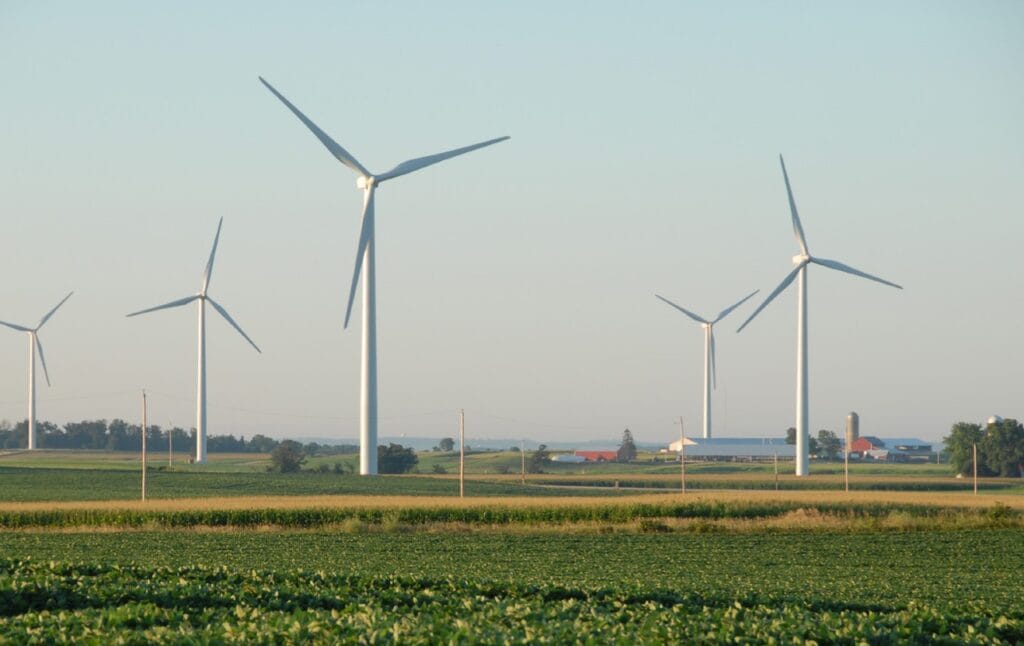
MARATHON COUNTY – A proposed wind farm in southern Marathon County is entering another phase of review as county officials continue evaluating the potential impacts of the Hub City Wind Farm project.
Laurie Miskimins – Marathon County’s director of conservation, planning and zoning – said recent discussions by the Marathon County Board’s Executive Committee and the Alternative Energy Project Local Impact Advisory Committee (AEPLIAC) marked another step in that process.
Earlier this year, Miskimins said Alliant Energy expressed interest in developing a wind farm project, where they would construct anywhere from 28-38 turbines in the southern part of Marathon County, specifically in the townships of Day, McMillan, Eau Pleine, Cleveland, Green Valley and Brighton.
Those turbines – according to alliantenergy.com – would generate enough clean, low-cost energy to power nearly 45,000 homes annually without emitting greenhouse gases, and could generate $22,500,000 worth of power over the Hub City Wind Farm’s lifespan.
Per Alliant Energy, the project will contribute financially from the Wisconsin Shared Utility Revenue Program, which results in up to an annual $5,000/MW payment for the life of the project.
This, the energy company notes, is split between the hosting county and towns.
With a projected nameplate capacity of 150 MW, Hub City Wind Farm would be expected to generate an estimated $22.5 million over the life of the project, according to Alliant Energy.
The Marathon County project is the latest in the company’s Wisconsin portfolio, which includes the Forward Wind Park in Fond du Lac and Dodge counties and Columbia Wind in Columbia County.
Columbia Wind – per Alliant Energy’s website – is currently under review by the Public Service Commission of Wisconsin (PSC).

Pending regulatory approval, construction is expected to begin in late 2027, with the project anticipated to be completed and operational by the end of 2028.
Per the website, the Forward Wind Park – which is jointly owned by Alliant Energy, Wisconsin Public Service Corporation and Madison Gas and Electric – began commercial operation in 2008.
It includes 86 turbines standing more than 262 feet tall, with a total net generating capacity of 137.85 MW.
Created this past spring, Miskimins said the AEPLIAC consists of six town officials from communities that could be impacted if the project moves forward, as well as six county board supervisors.
She said the advisory committee had one objective and one objective only.
“The committee was asked to gather input from the public as it related to concerns and opportunities if the county were to consider entering into a joint developer agreement with Alliant Energy, the proposed project developer,” she said.
Being highly publicized, Miskimins said the survey garnered a lot more responses than those involved initially anticipated.
“We were anticipating several hundred responses, but to get 1,395 was incredible,” she said.
Miskimins said the committee also opened participation to residents outside the county due to the potential for broader regional interest.
However, she said only about 20 responses came from non-county residents.
“But there was definitely a lot of interest from many people,” she said. “I think you’ll find you won’t get that many survey-takers on most surveys related to planning and policy issues.”
A bit of a mix
Miskimins said feedback from the public – gathered from the survey – along with other project documentation, was used to create a 202-page Hub City Wind Farm report that the AEPLIAC reviewed and adopted during its July 9 meeting.
Alliant Energy’s officials, she said, were in attendance at the meeting to personally answer questions and address the public’s concerns – especially as they related to construction, environmental studies and safety plans.
Miskimins said the county’s Executive Committee then reviewed the report and heard public comment at its July 15 meeting.
Concerns and opposition expressed by the public – both in person and through the survey – she said, far outweighed the benefits identified.
Concerns raised by the public, Miskimins said, included potential impacts on county government, wildlife, home and property values, public health, tourism, future development and agricultural opportunities.
Other concerns, she said, included noise, effects on livestock, safety risks, blade failures, groundwater impacts, bird strikes, soil erosion and road damage related to construction.
Benefits cited in the surveys, Miskimins said, included:
- Clean energy production
- More energy independence
- Emissions reduction
- Economic benefits through investment into the county in terms of job creation, as well as new development and a greater tax base
- Payments to landowners
- The ability to keep some areas from becoming subdivisions
Miskimins said one benefit identified by the public was the potential for turbines to help preserve surrounding land for future agricultural use, a point that was acknowledged by people on both sides of the issue.
“I know there’s concern on one side about loss of the farmland, but there are also some farmers who have come forward and have stated they signed their land into these kinds of leases because they wanted to ensure their land would stay in farming, and they felt this was the best way to do that,” she said.
What’s next?
Following its adoption of the report, Miskimins said the special energy committee formed by Marathon County adjourned with no future meetings scheduled.
Since its sole purpose was to gather public concerns and opinions, she said its term ended on July 13 and the committee members were thanked for their service.
Though Marathon County Board’s Executive Committee did not take formal action on the Hub City Wind Farm report, Miskimins said it requested additional information before its Aug. 13 meeting.
The requested materials, she said, include potential benefits and drawbacks of agreements; intervention options; relevant health and safety regulations; and information from another county with a similar wind farm.
“The county board will decide what the next steps are,” she said. “They’re weighing things like whether or not they will pursue a joint developer agreement, and if there are any other tools or actions they want to take as it relates to this project’s continued development. So they are going to be weighing different types of options like that.”
Miskimins said a decision could come within the next few weeks, or in the next few months.
Meanwhile, she said data from recent meetings and public comments will be used by the county in developing future potential usage agreements related to the project.
“Whatever the decision is or however this project goes, it’s important, I think, that the public knows their voices were heard,” she said.
That said, Miskimins said longtime County Board Supervisor and AEPLIAC Chair John Robinson noted that while public input is important and appreciated, the project could move forward without approval from the county board.
In fact, she said Alliant Energy has already notified the PSC that it plans to submit an application later this year for review and approval.
If approved by the PSC, Miskimins said the 150-megawatt project would be built over a three-year period and would come online in 2029.
More info about the Hub City Wind Farm project can be found on Alliant Energy’s previously mentioned website.