 Skogg joins Christie’s to further elevate Door County real estate
 A little piece of Titletown now available in West Central Wisconsin


September 7, 2026
SEYMOUR – Seymour High School teacher Aaron Kilsdonk said agricultural science education has always been a way of life for him.
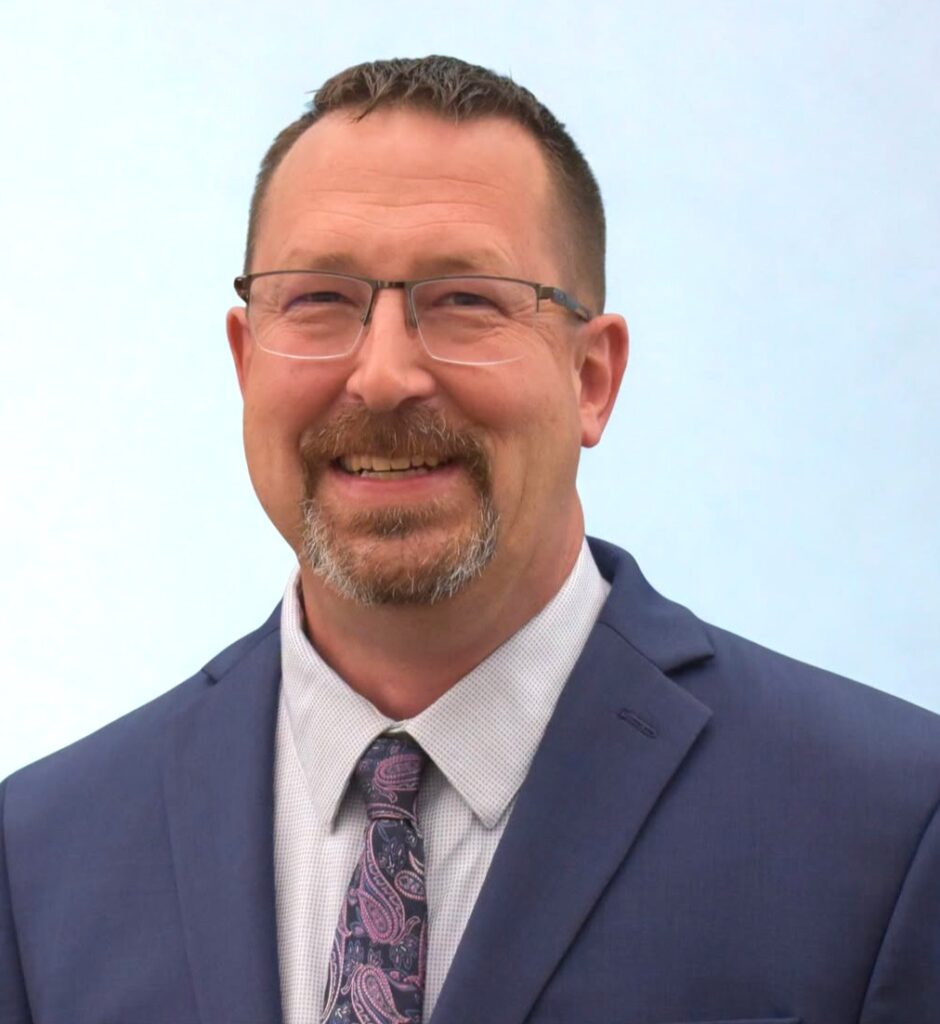
That dedication was recently recognized when the Wisconsin Association of Agricultural Educators (WAAE) named Kilsdonk the state’s Outstanding Ag Educator.
Kilsdonk said the honor was “extremely humbling.”
“I don’t do what I do to receive recognition, but it’s also nice to receive the award,” he said. “I’m very honored because I was nominated by my peers in the teaching field. That goes a long way.”
Kilsdonk said Wisconsin is divided into 10 FFA sections, with each section nominating a teacher for the award.
He said he was selected from a field of nine other regional nominees.
“A group of judges vote on the applications, and then they take those applications and select a winner,” he said. “I’ve been having a really good year this year because I just won a Golden Apple award, too.”
A passion for Ag
After graduating from Hortonville High School and attending the University of Wisconsin-River Falls for his undergraduate degree, Kilsdonk said he taught for five years at Marion High School, moving on to De Pere for another 10 years before moving to the Seymour School District.

About to begin his 12th year at Seymour, Kilsdonk said he is the sole agri-science teacher at the high school.
Due to its rural nature and high interest from Seymour students, he said the agri-science program is “very valuable” to the district.
“Examples of classes I teach include large animal science, small animal care, horticulture, landscaping, conservation/natural resources, aquaculture, etc.,” he said. “I teach 12 different classes we offer – obviously, not all the classes run every year, though. It’s a good variety of classes.”
Kilsdonk, 50, who is entering his 27th year of teaching overall, said agri-science teachers are in high demand across the state.
“There is a big need because we don’t have as many teachers in general as we did years ago,” he said. “Being an agri-science teacher is different from, let’s say, a math teacher. In some communities, teachers might not receive the support they need. I think the burnout rate is pretty high – it’s a lot of work.”
Effective teaching style
Kilsdonk said Seymour High School currently has a population of 542 students – 152 of which are enrolled in at least one class in the Agri-Science Department, which equates to approximately 28% of the students.
He said the program’s 40-by-50-foot classroom includes space for direct instruction and collaborative learning, along with a small kitchen and four Flex Farm hydroponic towers.
“There is a 20[-foot]-by-30[-foot] greenhouse and a 20[-foot]-by-30[-foot] small animal lab and aquaculture room,” he said. “Additionally, there is a 20[-foot]-by-30[-foot] multi-purpose shop to plant seeds, sort fruit, do taxidermy and bring in large animals for instruction. We also have four raised beds outside the classroom where we grow vegetables for our Food Service Department.”
Kilsdonk said he also partners with Fox Valley Technical College on three courses, allowing students to earn up to eight college credits in Animal Science Fundamentals, Introduction to Horticulture and Hydroponic Growing Systems.
Other partnerships, he said, include:
- Kailhofer’s Greenhouse – Flowers for floral arranging and corsage making
- DNR Conservation Warden Zach Seitz – Helps with DNR safety classes
- Ore-A-Dale Rabbitry – Cherry Buttles helps with teaching rabbit husbandry yearly
- Fork Farms/SHS Food Service Department – producing fresh lettuce for Seymour’s food service program
- Seymour FFA alumni/supporters – Their annual fundraising efforts and ongoing support help fund student experiences, scholarships and local SAE grants
“My teaching philosophy is grounded in balance, relationships and intentional instructional practice,” he said. “As I often say, ‘If something can’t be completed today, there is always tomorrow.’”
Kilsdonk said delegating tasks – such as involving alumni or empowering FFA officers to take ownership of planning – also helps him maintain a well-managed and student-centered classroom.
“Building a strong rapport with students is another essential part of my philosophy,” he said. “Effective classroom management begins with relationships – when students feel seen and valued, they engage more and respect classroom expectations. I make time to learn who they are – inside and outside of agriculture – and in turn, allow them to know me.”
Kilsdonk said this mutual trust allows him and his students to create meaningful learning experiences, whether they are working in the greenhouse, listening to guest speakers, completing hands-on labs or participating in field trips.
“I believe students learn best when they experience content in multiple ways, so I intentionally incorporate a variety of instructional modes,” he said. “Feedback is another central component of my teaching. I use ongoing formative feedback during labs and work time to guide student learning in real time, offering suggestions, corrections or questions that push their thinking.”
Kilsdonk said he also encourages students to provide feedback to one another during group projects or skill demonstrations.
“This helps them develop confidence, communication skills and reflection habits,” he said. “When students see feedback as a tool for improvement, rather than a judgment, they grow academically and personally. Ultimately, my teaching philosophy is about preparing students not only to succeed in the classroom but also to carry those skills into their next stage of life.”
Hands-on learning
Kilsdonk – who has a small hobby farm at his home – said he believes strongly in the value of hands-on learning, pointing to his small-animal care class as an example.
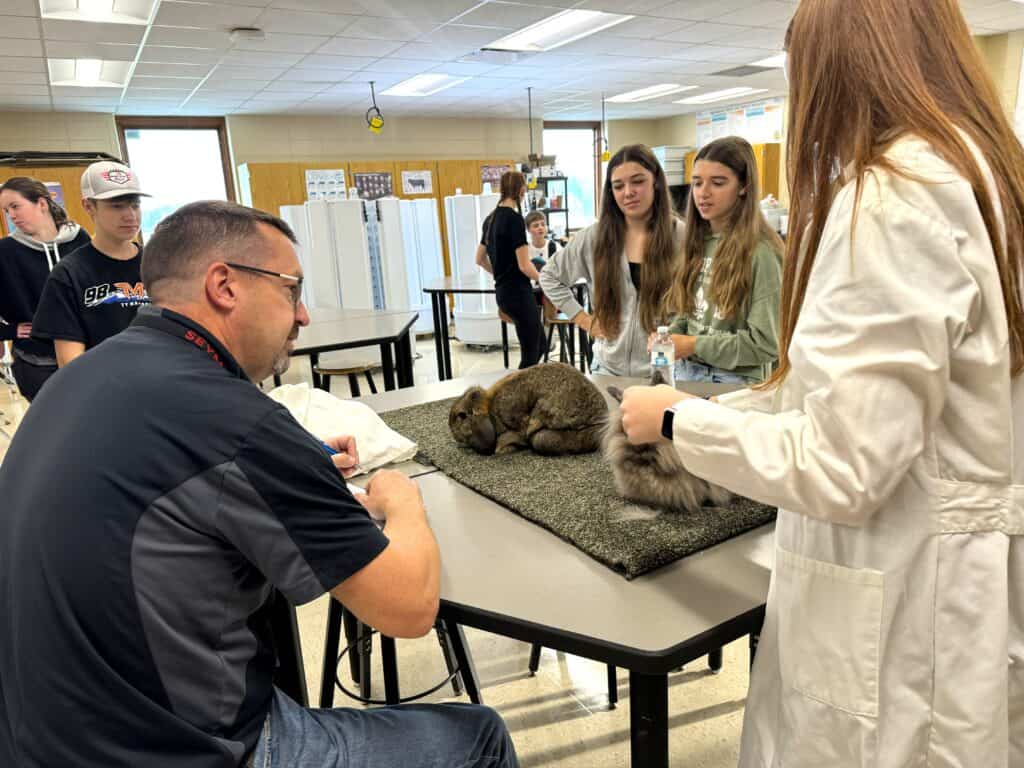
“We have some rabbits, tortoises, guinea pigs, etc.,” he said. “The kids take care of them every week, and they switch animals every week. We learn how to trim toenails on rabbits, etc. They can then transfer those skills to their dog at home.”
For his animal science class, Kilsdonk said students gain hands-on experience learning about animal anatomy, including examining organs such as the heart and lungs of a pig to better understand how the body systems work together.
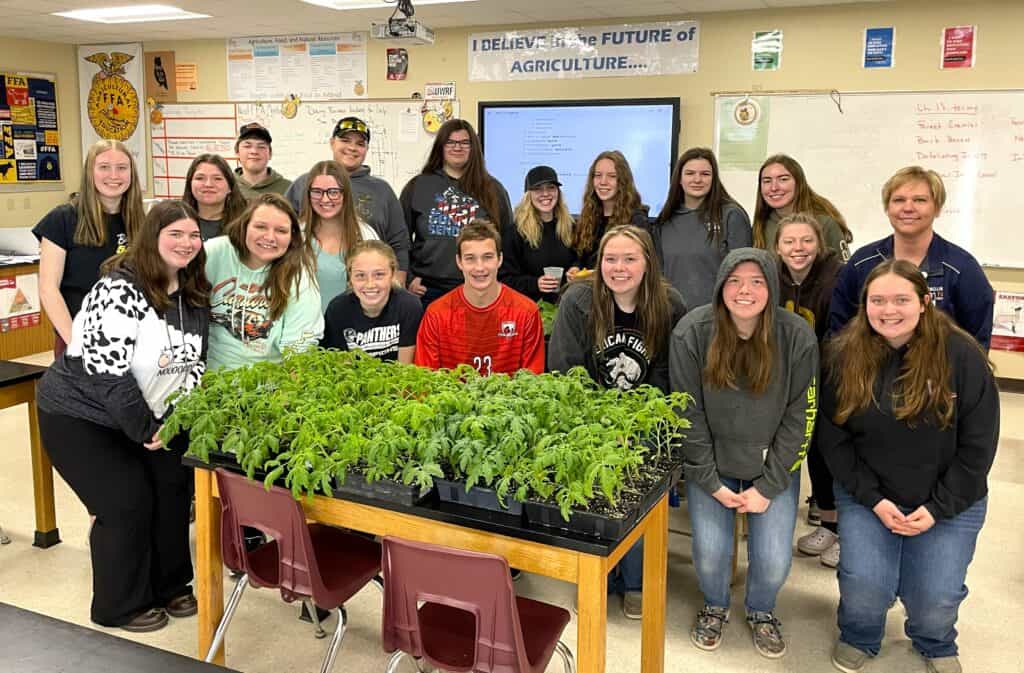
“In the horticulture class, we’re planting seeds the minute they walk into my class, and by the end of the trimester, we’re giving plants away to staff members at school,” he said.
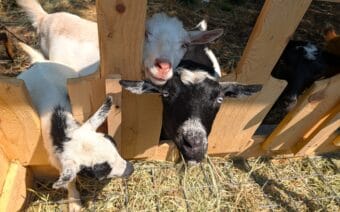
For additional hands-on learning, Kilsdonk said he sometimes brings goats from his property to the classroom.
“The goats have babies here at school, so the kids get to process the babies, vaccinate them, etc.,” he said. “They’ll trim the mom’s hooves and actually get their hands dirty. Goats are easy to handle, and the kids can work with them. I used to have sheep, but those were harder to bring into school.”
What is the WAAE?
Kilsdonk said the WAAE supports agricultural educators across the state through policy work, teacher-retention programs, advocacy for ag education and an annual professional development conference.
“The WAAE puts on different workshops for teachers at the professional development conference,” he said. “They will bring in industry leaders who conduct those.”
According to wisconsinaged.org, the WAAE is made up of middle school, high school and post-secondary agriculture teachers.
Per the website, the WAAE is dedicated to agricultural educators in developing knowledge and sharpening skills about the ever-evolving agricultural industry.
The website further states that the organization has a system to help its members by:
- Developing and maintaining curriculum
- Providing state, regional and national professional development opportunities
- Networking with business leaders, colleagues and sponsors, developing relationships between the classroom and the industry
- Advocating for the local agricultural education programs and industries
- Providing a support system and mentor program to retain agricultural education teachers