Black & White: An ode to the sustainable black and white Holstein cow
 Silver Spring Foods launches Signature Sauce Line


April 20, 2026
NEENAH – Dedication, networking, confidence and building a business acumen are key ingredients for any young entrepreneur.
As 16-year-old Jack Brucks is discovering, he said speed doesn’t hurt either when building a future in American Flat Track racing.
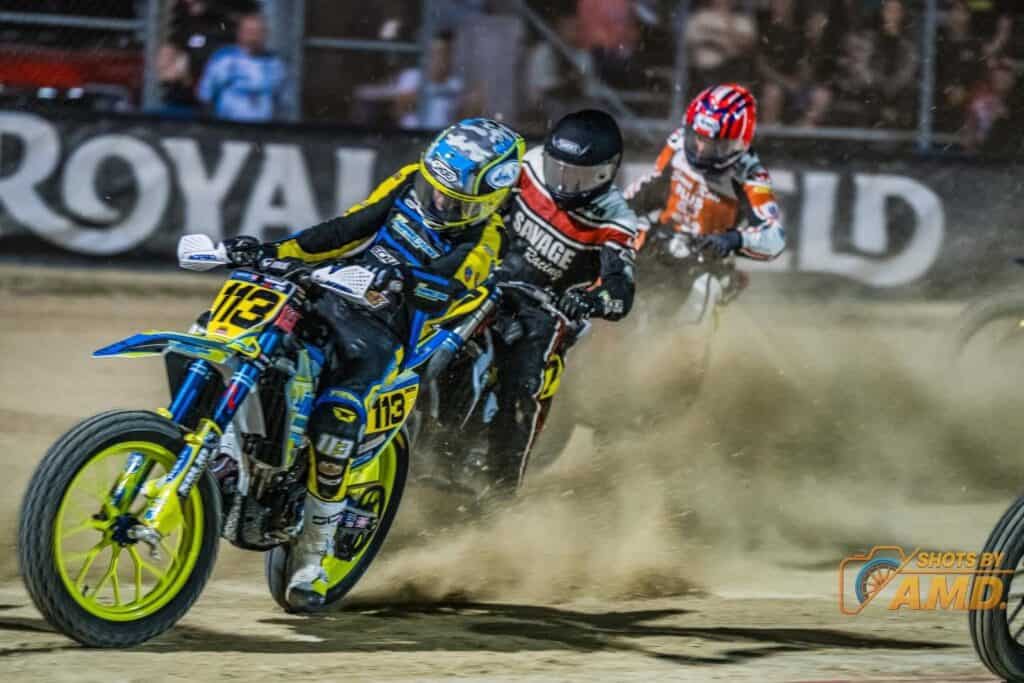
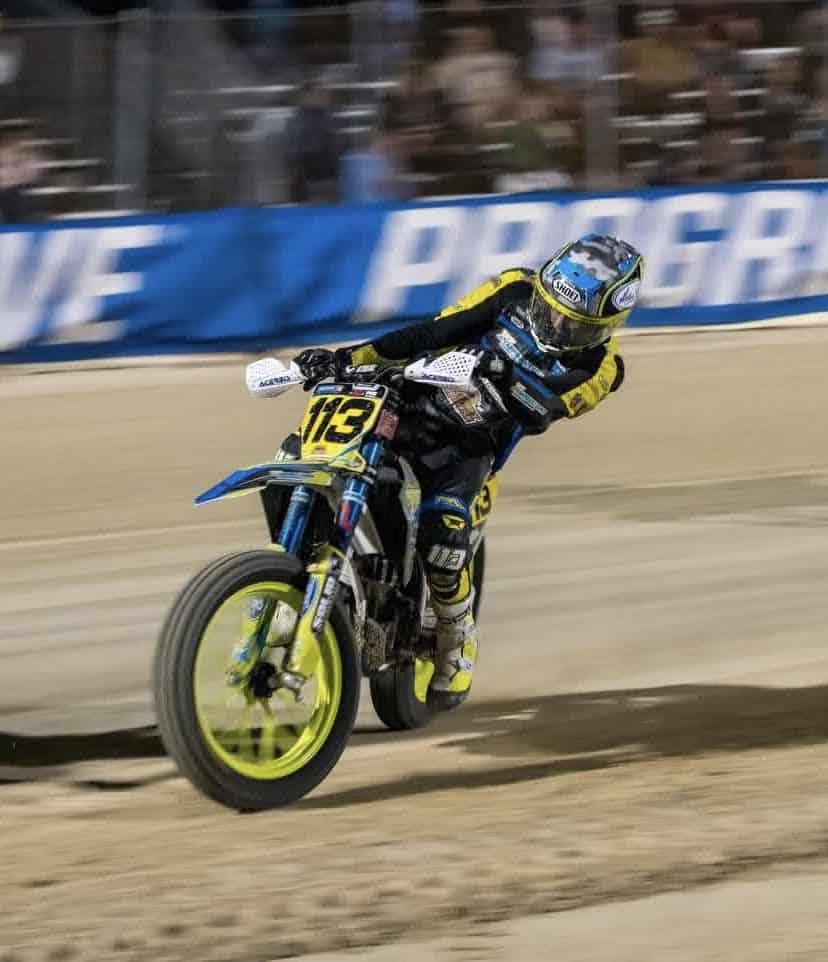
Brucks said he made his professional racing debut last month with the American Flat Track series during Daytona Bike Week in Daytona Beach, Florida.
The Neenah racer said he ran consistently near the front of the pack, scoring two top-10 finishes to open the season in his rookie debut in the Singles main events.
Brucks said the motorcycle racing series considers itself the United States’ original extreme sport.
Though officially established in 1954, according to americanflattrack.com, its origins date back almost 100 years.
Professional flat track racing, per the site, features both custom-built and production motorcycles that reach speeds of 140 mph on the straights and 90 mph in the corners, piloted by highly skilled riders.
For generations, racing of all kinds in Wisconsin and across the U.S. has thrived on the dedication of weekend warriors and their fans – delivering adrenaline and fierce competition alike.
The landscape is shifting, however, as more racers aim to turn their hobby into a full-fledged career, treating racing as a serious business – including Brucks.

From nurturing sponsorship relationships and keeping up with the demands of social media content creation, to learning to be fiscally responsible and working with co-workers of all ages in high-pressure situations, Brucks said he’s learning firsthand that lessons on the track are just as important as the ones learned off the track.
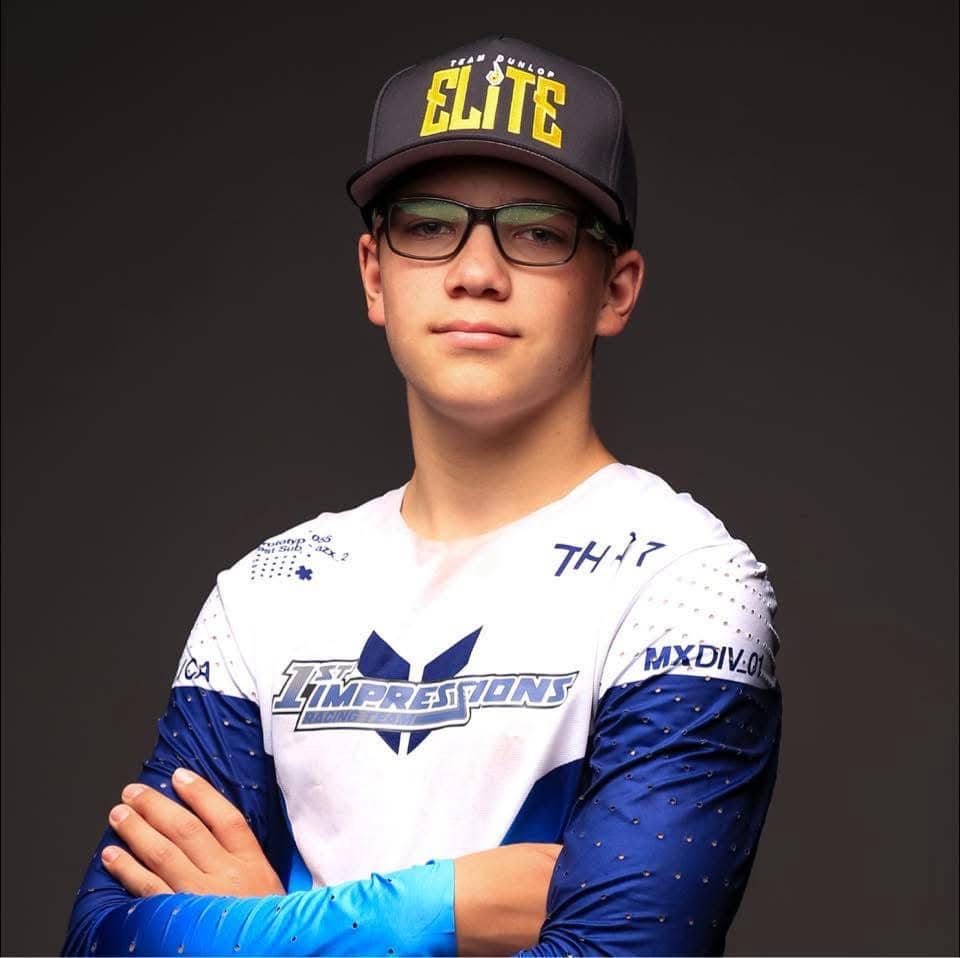
Currently racing with the 1st Impressions Race Team, Brucks is competing in the rookie ranks.
His parents, Katie and Luke, said they are enjoying watching him develop as a racer and pursuing racing as a career.
“The learning curve has been steep,” Katie said. “He has a workout regimen that his coach sends him every week. He has a diet to plan every week. And I work a lot, so he’s literally buying his own groceries. He’s making his own food. He’s working out at the gym every day. We’re doing… interviews here and there. We have to make sure we’re on time for travel. So, watching him start to become an adult that way, from an organizational, prioritizing [standpoint] – that’s some heavy stuff [for a teenager], and it definitely isn’t easy.”
Launching a career in motorsports
Brucks said his father first introduced him to racing on ice before taking him to a local dirt track as his interest grew.
He said he did well in that debut race, which came before his fifth birthday.
“That was on a PW50 in the 50cc chain class,” he said.
Katie said bikes grow in physical size and power based on the age range of the child.
Youth racers, she said, start on smaller bikes, growing and graduating into bigger bikes and more competitive classes as they age.
From there, Katie said the motors become more powerful, the speed is faster and the stakes are higher.
Along with handling a bigger, faster bike, Brucks said his responsibilities off the track have expanded as well.
Similar to an entrepreneur seeking investors and raising capital for their latest business endeavor, Katie said they have spent several years engaging potential sponsors for Brucks’ race team.
“As he was a youth and gaining traction and his resume was building, we started really reaching out to sponsors, and as he grew faster and better, we reached for larger and bigger sponsors to help us travel to those fast guys [who] were out of state,” she said.
Katie – who owns Lucky Stables LLC – said though it’s not exactly the same, seeking sponsorship support has many commonalities with what she experiences as a business owner herself.
In exchange for supporting his racing program, Katie said Brucks publicly promotes sponsors on social media and looks for other ways to put their businesses in the spotlight.
“And hopefully, if he’s on the podium, he can also verbalize them when he’s giving his post-race speech as well,” she said.
Though small-scale fundraising is common for youth athletes on local fields and in gyms, Katie said outside financial support can be critical for a racing career – recognizing early on the importance of finding a reliable partner to help Brucks take his racing to the next level.
“We saw a different team pick up an amateur rider a few years ago, when I was an amateur rider, and then we asked the next biggest team to pick me up as an amateur rider,” Brucks said.
Katie said five years ago, it was uncommon for professional teams on the circuit to sign an amateur rider.
However, she said that began to change about two years ago, when a major Honda-backed team chose to sponsor an amateur.
“They sponsored a young rider, and when we saw that, we’re like, ‘Hey, hopefully the other teams will want to do this,” she said.
Brucks said he and his dad met face-to-face with the 1st Impressions team to pitch the idea of sponsoring an amateur.
Katie said the team leaders were excited about the opportunity for both the team and Brucks’ future, and an agreement was reached.
“They supported him for two solid years as an amateur, and then as soon as he turned 16, they put him on their pro bikes,” she said.
Gaining traction with social media savvy
Brucks said social media plays a major role in connecting him with current and potential sponsors.
In the past, Katie said acknowledgments were limited to post-race meet-and-greets, pit-area banners or victory lane interviews.
Today, she said a racer can use social media to spotlight sponsors on a daily basis.
“I think social media is wonderful,” she said. “I love it. I think everyone can watch. I think it’s more convenient to give shoutouts to our sponsors. I think it’s cheaper than banners and signage… [and] we don’t have to necessarily put a sandwich board out by the pits. We can tag them and share them on social media, and I think they get way more traction that way than the old-school advertising.”
Katie said social media is valuable on a personal level as well.
With Brucks racing across the U.S., she said family and friends can follow live coverage on his Facebook page.
Katie said it also serves as a networking tool, giving sponsors exposure while generating revenue for the race team.
“You get paid by social media, too,” she said. “When you get enough followers and grow, then everybody wants to be on that train. Now, they want to be mentioned in the shout-outs, and I think it’s a little bit easier to get sponsors if you have a good following – so, it kind of goes hand in hand, building that together.”
Social media scrutiny isn’t new for athletes, whether on the field or the track, but Brucks said he doesn’t pay attention to social media criticism.
Though racing naturally comes with occasional incidents, Katie said Brucks is a fair racer and doesn’t pay attention to the online noise – choosing to instead focus on finding the positive side of social media engagement.
“Jack isn’t affected by it, or at least he doesn’t appear affected by it,” she said. “The only thing that matters [is whether you can] lay your head on the pillow at night and know that you did your best, or you did the right thing. You need to know you made the right choice.”
Katie said even the so-called “armchair” experts can be helpful, as the engagement they create contributes to funding Brucks’ career.
“Don’t see it as all these people are talking garbage about you,” she said. “[Instead], look at all the exposure you’re getting, because so many people are talking about you.”
Accelerating toward a bright future
To accommodate a travel schedule that takes him to tracks across the country, Brucks said he was homeschooled and has since finished school, allowing him to devote his time to his passion.
Competing in American Flat Track – one of the most prestigious and competitive forms of dirt track motorcycle racing in the world – he said, has already provided him with experiences few teens his age have had.
Katie said Brucks has developed and maintained friendships across the country and has learned to communicate effectively with adults who are experts in their field.
She said he also collaborates with those adults as career peers, a dynamic that differs from the traditional coach-player relationship.
Beyond that, Katie said he needs to be accessible to sponsors, remember to mention them in victory lane and keep them in the public eye via social media – all while being present for race fans who want autographs and to speak with him after the checkered flags fly.
“You’re always on, on race day – and that’s a big ask of a 16-year-old, I think,” she said.
After a strong opening weekend, Brucks said he and his 1st Impressions race team are turning their attention to the upcoming rounds of the American Flat Track series, aiming to build on their 4th- and 8th-place finishes in Daytona throughout the 2026 season.
In a sector of sports entertainment that has produced such legends as Bill Tuman, Bobby Hill and Ernie Beckman in the 1950s, Gary Nixon and Dick Mann in the ’60s and Kenny Roberts, Eddie Lawson and Wayne Rainey in the ’70s and ’80s, Brucks said he’s most proud of getting a ride during his rookie season.
Katie said the family is grateful for the support and involvement of the 1st Impressions team.
“There’s no way we could do this on our own…” she said. “There’s no way our family could financially do it. So, we’re just so appreciative of the 1st Impressions Race Team and the opportunity, trust and faith that they have in this kid. It’s great.”
To follow along with Jack Brucks’ racing season, find Brucks Racing on social media.